
Your home’s electrical system may have been designed for a very different way of living. Decades ago, households used fewer appliances, had fewer electronic devices, and rarely needed dedicated circuits for home offices, electric vehicles, or high-powered kitchen equipment.
Today, electricity supports nearly everything we do. From heating and cooling to cooking, working, charging devices, and running household appliances, modern homes place greater demands on their electrical systems.
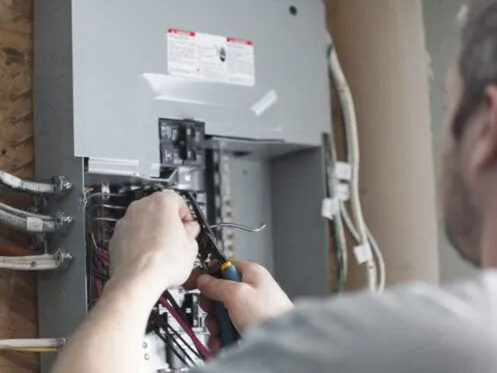
Electrical upgrades help your home safely handle those demands while improving reliability, convenience, and functionality. Depending on the age and condition of your property, improvements may involve replacing an outdated electrical panel, installing new circuits, upgrading wiring, adding outlets, or improving electrical protection.
Not every home needs a complete electrical overhaul. Sometimes, replacing a few outdated components is enough. Other properties require more extensive improvements to address aging infrastructure, accommodate new equipment, or correct electrical safety concerns.
For homeowners in Forest Lake, Minneapolis, St. Paul, and throughout the Twin Cities Metro area, understanding which electrical upgrades are worthwhile can help prevent unnecessary expenses and make future renovations easier.
What Are Electrical Upgrades?
Electrical upgrades are improvements made to an existing electrical system to increase its capacity, enhance safety, improve reliability, or support additional electrical equipment.
Unlike routine electrical repairs, which generally restore a malfunctioning component to working condition, upgrades improve what the system can safely and effectively do.
For example, repairing a damaged outlet restores its original function. Installing a new dedicated circuit for a kitchen appliance expands the electrical system’s capabilities.
Common residential electrical upgrades include:
-
Replacing an outdated electrical panel
-
Increasing electrical service capacity
-
Installing new electrical wiring
-
Rewiring older homes
-
Adding dedicated circuits for appliances
-
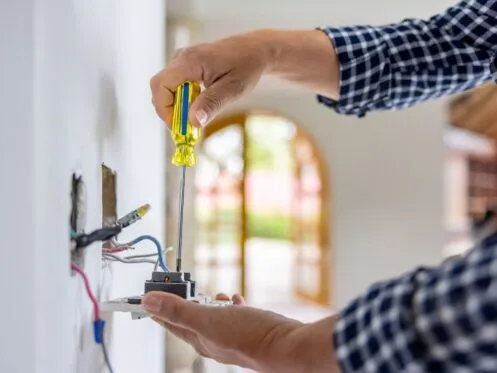
Replacing outdated or damaged outlets
-
Installing GFCI and AFCI protection
-
Adding whole-home surge protection
-
Upgrading indoor and outdoor lighting
-
Installing electric vehicle charging stations
-
Improving grounding and bonding
-
Adding electrical infrastructure for home renovations
Some improvements address immediate safety concerns. Others prepare a home for changing electrical needs.
The most effective approach begins with understanding the condition of the existing system rather than assuming every older component needs replacement.
Signs Your Home Needs Electrical Upgrades
Electrical systems often provide warning signs before a serious failure occurs. Some are easy to recognize, while others become apparent only when homeowners add appliances or renovate.
Circuit Breakers Trip Frequently
Circuit breakers protect electrical circuits from excessive current and certain electrical faults.
An occasional trip may occur when too many devices operate on the same circuit. However, repeated breaker trips deserve professional attention.
Possible causes include overloaded circuits, short circuits, ground faults, damaged wiring, or malfunctioning equipment.
If your kitchen breaker trips whenever the microwave and toaster operate together, the circuit may not have enough capacity for both appliances.
The solution could involve installing a dedicated circuit or redistributing electrical loads. Replacing the entire panel may not be necessary.
A breaker that trips repeatedly should never be replaced with a higher-amperage breaker unless a qualified electrician verifies that the circuit wiring and equipment are rated for it.
Lights Flicker or Dim Unexpectedly
A brief change in brightness when a large motor starts can sometimes result from normal voltage fluctuations. Frequent or significant flickering, however, may indicate a problem.
Potential causes include loose electrical connections, overloaded circuits, deteriorating wiring, or issues with the electrical service.
Pay attention to whether the problem affects one fixture, several rooms, or the entire house.
If multiple lights brighten and dim unpredictably, particularly when accompanied by unusual appliance behavior, the issue may involve a service neutral or another serious electrical fault.
An electrician can determine whether the problem requires a wiring repair, circuit modification, or electrical panel upgrade.
Your Home Has an Older Electrical Panel
Electrical panels distribute power throughout the home and provide overcurrent protection for individual circuits.
Older panels are not automatically unsafe simply because of their age. However, some may have limited capacity, deteriorated components, obsolete equipment, or a history of unreliable operation.
An electrical panel inspection is especially worthwhile when:
-
The panel contains damaged or corroded components.
-
Circuit breakers no longer operate properly.
-
The panel has insufficient space for additional circuits.
-
The home has undergone several electrical modifications.
-
You are installing equipment that requires substantial power.
-
The panel is a model associated with documented safety concerns.
Replacing an outdated panel can improve reliability and provide room for future electrical installations.
You Rely on Extension Cords and Power Strips
Extension cords are useful for temporary applications. They should not become permanent substitutes for properly installed electrical outlets.
If multiple rooms depend on extension cords, your home may lack sufficient receptacles for everyday use.
This is common in older houses where outlet placement reflected much smaller electrical demands.
Installing additional outlets can improve convenience while reducing reliance on temporary wiring arrangements.
Outlets Feel Warm, Spark, or Stop Working
A receptacle that becomes unusually hot, shows discoloration, produces a burning smell, or makes crackling sounds requires immediate attention.
These symptoms may indicate loose connections, damaged wiring, overloaded equipment, or deteriorating receptacle contacts.
Stop using the affected outlet and arrange an electrical inspection.
A single damaged outlet may only require replacement. However, widespread outlet problems can reveal larger wiring deficiencies.
Your Home Still Has Outdated Wiring
Some older Minnesota homes contain electrical wiring installed many decades ago.
Knob-and-tube wiring, certain older aluminum branch-circuit wiring systems, and deteriorated wiring insulation may require specialized evaluation.
The presence of older wiring does not automatically mean the entire home must be rewired. Its condition, installation method, modifications, and compatibility with modern electrical requirements determine the appropriate solution.
A professional inspection can establish whether targeted repairs, approved remediation methods, or more extensive rewiring are needed.
The Most Important Electrical Upgrades for Your Home
Different improvements solve different problems. Understanding the purpose of each upgrade makes it easier to prioritize electrical work based on safety, functionality, and long-term value.
1. Electrical Panel Upgrades and Replacement
The electrical panel is the central distribution point for your home’s branch circuits.
Electricity enters the property through the electrical service equipment and is distributed to lighting, outlets, appliances, and other electrical loads.
When the panel becomes damaged, obsolete, or insufficient for the home’s needs, replacement may be appropriate.
When Should You Upgrade Your Electrical Panel?
An electrical panel upgrade may be recommended when your existing equipment cannot accommodate planned circuits or when inspection reveals significant deficiencies.
Common situations include installing an EV charger, remodeling a kitchen, adding a workshop, or replacing obsolete panel equipment.
However, it is important to distinguish between replacing a panel and increasing electrical service capacity.
A panel replacement may retain the home’s existing 100-amp or 200-amp service. A service upgrade can involve additional work on the meter equipment, service conductors, grounding and bonding systems, and utility connections.
These are related but different projects.
Is a 200-Amp Electrical Panel Worth It?
A 200-amp electrical service is common in modern single-family homes and can accommodate many typical residential electrical demands.
It may be appropriate for households with central air conditioning, electric cooking appliances, electric dryers, EV charging, or other substantial loads.
However, not every property needs 200 amps.
A properly performed electrical load calculation considers the home’s square footage, existing appliances, heating and cooling equipment, and anticipated additions.
Some properties may need more capacity, while others can operate safely with less.
For homeowners considering electrical panel replacement, Plugz Electric can evaluate the existing equipment and recommend improvements based on actual electrical requirements.
2. Home Rewiring and Electrical Wiring Upgrades
Electrical wiring carries electricity from the panel to outlets, switches, lighting fixtures, and equipment.
Although properly installed wiring can remain serviceable for decades, insulation deterioration, physical damage, improper modifications, and outdated installation methods can create safety concerns.
When Does a House Need Rewiring?
Whole-home rewiring may be appropriate when extensive wiring deficiencies exist throughout the property.
Examples include widespread damaged insulation, unsafe previous modifications, or older wiring systems that cannot reasonably support planned renovations.
However, complete rewiring is not always necessary.
If most wiring remains in good condition, an electrician may recommend replacing only affected circuits or adding new wiring where additional capacity is needed.
Partial Rewiring vs. Whole-Home Rewiring
Partial rewiring focuses on specific rooms, circuits, or problem areas.
For example, an older kitchen may need updated branch circuits for modern appliances while the rest of the home’s wiring remains serviceable.
Whole-home rewiring involves replacing much or all of the existing branch-circuit wiring.
This is a more extensive project that may require access through walls, ceilings, floors, and unfinished spaces.
The scope depends on the home’s construction, wiring condition, and accessibility.
Homeowners planning major renovations should consider electrical wiring upgrades before new drywall, cabinets, and finished surfaces are installed.
Plugz Electric provides wiring and rewiring services for homeowners in Forest Lake and surrounding Twin Cities communities.
3. Electrical Outlet Upgrades
Electrical outlets are among the most frequently used components in a home.
They also experience mechanical wear from repeated plugging and unplugging.
Older homes may have too few receptacles, damaged outlets, or two-prong receptacles that lack an equipment grounding connection.
Upgrading outlets can improve electrical safety and make rooms more functional.
GFCI Outlet Installation
Ground-fault circuit interrupter protection helps reduce the risk of electric shock by detecting certain differences between outgoing and returning electrical current.
GFCI protection is required in various locations under applicable electrical codes, including many kitchens, bathrooms, garages, outdoor areas, and other specified locations.
It can be provided through GFCI receptacles or compatible circuit breakers.
An electrician can identify where protection is required and select the appropriate installation method.
AFCI Protection
Arc-fault circuit interrupters are designed to detect certain electrical arcing conditions that may contribute to fires.
AFCI protection is required for many residential branch circuits under modern electrical codes, with the exact requirements depending on the adopted code and project scope.
Adding AFCI protection may be part of a renovation, circuit replacement, or broader electrical safety upgrade.
Replacing Two-Prong Outlets
Two-prong receptacles are common in older homes.
They typically indicate that an equipment grounding connection is not available at that receptacle.
Simply replacing a two-prong outlet with a three-prong receptacle does not create a grounding path.
Depending on the circumstances, compliant solutions may include installing a grounding conductor, replacing wiring, or using an appropriately installed and labeled GFCI-protected receptacle.
An electrician can determine which approach is suitable.
Adding Outlets Where You Need Them
Modern households often need more electrical connections than older floor plans provide.
Useful locations for additional outlets include home offices, kitchen counters, garages, basements, workshops, and entertainment areas.
Professionally installed electrical outlets can reduce cord clutter and improve everyday convenience.
4. Whole-Home Surge Protection
Power surges are brief increases in electrical voltage that can damage sensitive electronic equipment.
They may originate from utility disturbances, lightning-related events, or electrical switching within the property.
Modern homes contain numerous electronic components that can be affected by transient voltage spikes.
These include computers, televisions, smart appliances, HVAC control boards, networking equipment, and other electronics.
How Does Whole-Home Surge Protection Work?
A whole-home surge protective device is typically installed at or near the electrical service equipment.
It helps limit transient overvoltages by diverting surge current through an appropriate electrical path.
This reduces the amount of surge energy reaching downstream equipment.
However, surge protection cannot prevent every type of electrical damage. A whole-home device is not a substitute for proper grounding, bonding, wiring maintenance, or point-of-use protection for particularly sensitive equipment.
Is Whole-House Surge Protection Worth It?
For many homeowners, surge protection is a practical investment because replacing damaged electronics and appliances can be expensive.
Modern electrical codes also require surge protection for certain residential electrical installations and service-equipment replacements.
Plugz Electric offers whole-home surge protection for homeowners seeking additional protection for their electrical equipment.
5. Dedicated Circuits for Appliances and Equipment
A dedicated electrical circuit supplies power to a specific appliance or piece of equipment rather than serving multiple unrelated loads.
Certain appliances require individual branch circuits because of their electrical characteristics, manufacturer instructions, or code requirements.
Common examples include electric ranges, dryers, some HVAC equipment, and EV charging equipment.
Other appliances may benefit from dedicated circuits depending on their power consumption and the existing electrical layout.
Why Dedicated Circuits Matter
Imagine a garage where a homeowner operates a large air compressor, power tools, and other equipment on a single general-purpose circuit.
When multiple devices operate simultaneously, the total electrical demand may exceed the circuit’s capacity.
Adding an appropriately sized circuit can provide a more reliable power supply without overloading the existing wiring.
Dedicated circuits are particularly useful when converting a garage into a workshop or adding new equipment during a remodel.
6. EV Charger Installation and Electrical Capacity Upgrades
Electric vehicles have introduced a new category of electrical demand for residential properties.
While some vehicles can charge using a standard 120-volt outlet, Level 2 charging typically operates at 240 volts and can provide substantially faster charging.
A home EV charging installation may require a dedicated branch circuit, suitable wiring, appropriate overcurrent protection, and compatible charging equipment.
Does Installing an EV Charger Require a Panel Upgrade?
Not necessarily.
Some homes have sufficient available electrical capacity for a charger without replacing the panel or increasing service capacity.
Others may need electrical improvements.
An electrician evaluates the existing loads, service rating, available panel space, charging equipment requirements, and applicable code provisions.
In certain situations, listed energy management equipment can help accommodate EV charging without increasing the electrical service size.
Planning for Future EV Charging
Even if you do not currently own an electric vehicle, preparing the electrical infrastructure during a garage renovation may reduce future installation costs.
Planning can include suitable conduit pathways, panel space, and consideration of anticipated charging requirements.
Plugz Electric provides EV charging station installation for homeowners in Forest Lake and the surrounding Twin Cities area.
7. Indoor Lighting Upgrades
Lighting improvements are among the most noticeable electrical upgrades because they affect how a home looks and functions every day.
Replacing outdated fixtures, adding lighting controls, and improving fixture placement can make living spaces more comfortable and useful.
LED Lighting Installation
LED lighting generally consumes substantially less electricity than traditional incandescent lighting while providing a longer operating life.
LED fixtures are available in many brightness levels, color temperatures, and styles.
When selecting new lighting, homeowners should consider more than wattage.
Light output is measured in lumens, while color temperature is measured in kelvins.
Warm lighting around 2700K to 3000K is often preferred in living rooms and bedrooms. Kitchens, workspaces, and utility areas may benefit from different lighting characteristics.
Recessed Lighting
Recessed lights provide a clean appearance and can distribute illumination throughout a room.
Proper spacing depends on ceiling height, beam angle, fixture output, room dimensions, and the intended use of the space.
Installing too many recessed fixtures can create excessive brightness and unnecessary energy consumption.
Too few may leave dark areas.
A thoughtful lighting plan combines ambient, task, and accent lighting rather than relying on a single fixture type.
Dimmer Switches and Smart Lighting
Dimmer switches provide greater control over brightness.
Smart lighting systems can add scheduling, remote control, occupancy-based operation, and integration with compatible home automation equipment.
Compatibility matters, particularly when pairing LED fixtures with dimming controls.
Using incompatible equipment can cause flickering, buzzing, or poor dimming performance.
Professional indoor lighting installation helps ensure that fixtures, controls, wiring, and electrical boxes are suitable for the application.
8. Outdoor Lighting and Exterior Electrical Upgrades
Outdoor electrical improvements enhance property functionality, visibility, and convenience.
Minnesota homeowners may benefit from upgraded exterior lighting around walkways, driveways, garages, patios, and entrances.
Landscape and Security Lighting
Exterior lighting can illuminate steps, pathways, and other areas where visibility is important.
Motion-activated fixtures provide light when movement is detected, while timers and photocells can automate operation.
Well-planned landscape lighting also highlights architectural details and outdoor living spaces.
Outdoor Electrical Outlets
Outdoor receptacles must be installed with equipment and protection suitable for the location.
Requirements may include weather-resistant receptacles, appropriate covers, GFCI protection, and properly rated electrical boxes.
Minnesota’s snow, rain, freezing temperatures, and seasonal moisture make correct exterior electrical installation especially important.
Garage and Workshop Lighting
Garages often benefit from brighter, more evenly distributed lighting.
LED shop lights, task lighting, and dedicated circuits can make these spaces more functional for vehicle maintenance, hobbies, and home improvement projects.
Outdoor and garage electrical improvements are especially worthwhile when combined with other renovation work.
9. Electrical Upgrades for Kitchen and Bathroom Remodeling
Kitchens and bathrooms have specialized electrical requirements because of appliance loads, moisture exposure, and how these spaces are used.
Planning electrical improvements before remodeling begins can prevent expensive changes later.
Kitchen Electrical Upgrades
A kitchen renovation may involve new countertop receptacles, lighting, appliance circuits, and electrical connections for cooking equipment.
Depending on the design, improvements may include:
-
New circuits for kitchen countertop receptacles
-
Electrical connections for ranges and wall ovens
-
Dishwasher and disposal wiring
-
Under-cabinet lighting
-
Pendant and recessed lighting
-
Updated GFCI and AFCI protection
-
Additional outlets for small appliances
Kitchen electrical requirements can be complex because circuits, receptacle placement, and protection must comply with applicable codes.
Bathroom Electrical Upgrades
Bathroom renovations frequently include new lighting, ventilation fans, receptacles, and heated flooring.
Electric floor heating and certain other equipment may require dedicated circuits or specialized protection.
Electrical installations must also account for moisture exposure and required clearances around bathing areas.
Coordinating electrical work with plumbing, cabinetry, tile, and ventilation installation helps avoid unnecessary demolition.
10. Grounding and Bonding Improvements
Grounding and bonding are fundamental parts of electrical safety.
Although the terms are sometimes used interchangeably, they perform different functions.
Grounding connects designated parts of an electrical system to earth through an approved grounding electrode system.
Bonding creates electrically continuous connections between conductive components so that fault current has an effective return path.
Proper grounding and bonding support the operation of protective devices and help reduce hazardous voltage differences.
Older homes may have missing, damaged, or improperly installed grounding and bonding connections.
These deficiencies can become apparent during panel replacement, service upgrades, or electrical inspections.
Correcting them may be necessary even when the homeowner is primarily interested in another improvement.
How Much Do Electrical Upgrades Cost?
The cost of residential electrical upgrades varies significantly depending on the type of work, the condition of the existing system, and installation complexity.
A straightforward outlet replacement is generally much less expensive than installing new circuits or replacing an electrical service.
The following ranges are broad planning estimates for professionally completed residential work. Actual Twin Cities pricing depends on site conditions, materials, permits, and project scope.
| Electrical upgrade | Estimated cost |
|---|---|
| Standard outlet replacement | $125–$300 |
| GFCI outlet installation or replacement | $150–$350 |
| Additional outlet with new wiring | $200–$600+ |
| Dedicated electrical circuit | $300–$1,000+ |
| Whole-home surge protector installation | $300–$800 |
| Electrical panel replacement | $1,500–$4,000+ |
| 200-amp electrical service upgrade | $2,500–$6,000+ |
| Level 2 EV charger electrical installation | $500–$2,000+ |
| Whole-home rewiring | $8,000–$25,000+ |
These figures are not fixed prices. Large homes, difficult access, extensive wall repairs, utility work, or unusual electrical conditions can increase costs considerably. EV charging equipment may also be priced separately.
These figures are just an estimate.
If you want to get an accurate quote, reach out to our team at 612-295-1595 or click on the booking button at the top of the website.
What Affects the Cost of Electrical Upgrades?
Several factors influence the final price.
Age of the home: Older properties may contain outdated wiring, limited electrical capacity, or previous modifications that require correction.
Accessibility: Wiring installed through unfinished basements and accessible attics is generally easier to work with than wiring concealed behind finished walls.
Electrical capacity: Adding equipment may require new circuits, load management, or service improvements.
Permits and inspections: Many electrical projects require permits and inspections under local and state regulations.
Materials and equipment: The type of panel, breakers, wiring, receptacles, fixtures, and charging equipment affects material costs.
Project scope: Combining several improvements into one coordinated project may reduce duplicated labor and disruption.
A detailed electrical estimate should identify the work being performed and explain whether additional repairs or capacity improvements may be necessary.
Which Electrical Upgrades Add the Most Value to a Home?
Not every electrical improvement increases resale value by the same amount.
Some upgrades primarily address safety or correct deficiencies. Others improve everyday convenience and may make a property more appealing to prospective buyers.
Electrical Panel Replacement
An updated electrical panel can be an advantage when the existing equipment is obsolete, damaged, or insufficient for the home’s needs.
Buyers may be concerned about outdated electrical systems because of potential repair expenses and inspection findings.
Replacing problematic equipment can address those concerns, although the investment does not guarantee an equivalent increase in resale value.
Updated Electrical Wiring
Safe, properly installed wiring is an important part of a home’s overall condition.
Correcting significant wiring deficiencies may improve insurability, reduce safety concerns, and prevent issues during a real estate transaction.
Modern Lighting
Updated lighting can make rooms appear brighter, more functional, and visually appealing.
Kitchen lighting, recessed fixtures, and exterior illumination can improve how prospective buyers experience a property.
EV Charging Infrastructure
Home charging capability may appeal to buyers who own electric vehicles or expect to purchase one.
Its value depends on the local housing market, buyer preferences, and the quality of the installation.
Additional Outlets and Convenient Controls
Well-placed receptacles, updated switches, and practical lighting controls improve usability.
These upgrades may not produce a dramatic increase in appraised value, but they can make a home more comfortable and convenient.
Electrical Upgrades for Older Homes in Minnesota
Older homes often have electrical systems that reflect several generations of construction and renovation.
A property built in the 1950s may have undergone kitchen updates in the 1980s, a basement remodel in the 1990s, and additional electrical work more recently.
As a result, the electrical system may contain components from several different periods.
This does not automatically make the system unsafe, but it can complicate future improvements.
Homes Built Before 1950
Some homes from this period may still contain knob-and-tube wiring, older fuse panels, or limited receptacle availability.
An electrical inspection can determine whether these components remain in use and whether upgrades are necessary.
Homes Built Between 1950 and 1980
Properties from these decades may contain older service equipment, fewer dedicated circuits, or certain aluminum branch-circuit wiring installations.
Some may also have grounding and bonding arrangements that differ from modern construction.
Electrical upgrades should be based on the actual condition of the system rather than the home’s construction date alone.
Homes Built After 1980
Newer properties can also benefit from electrical improvements.
A home built in the 1990s may have wiring that remains in excellent condition but lack sufficient electrical infrastructure for a modern kitchen, workshop, or EV charger.
In these situations, expanding functionality may be more important than replacing existing components.
Do Electrical Upgrades Require a Permit in Minnesota?
Many electrical installations and alterations in Minnesota require an electrical permit.
Permit requirements depend on the type of work, property, jurisdiction, and applicable exemptions.
Projects such as service upgrades, panel replacements, new circuits, and significant rewiring commonly require permits and inspections.
Minnesota electrical installations are governed by the state’s adopted electrical code and applicable administrative requirements.
The Minnesota Department of Labor and Industry oversees electrical licensing and inspection requirements, although certain jurisdictions administer their own inspections.
Why Electrical Permits Matter
Permits provide a formal process for reviewing electrical work for code compliance.
An inspection can identify installation deficiencies before equipment is placed into regular service.
Proper documentation may also be useful during future renovations, insurance reviews, or property sales.
For homeowners in Forest Lake and the Twin Cities, working with a properly licensed electrical contractor helps ensure the correct permitting and inspection process is followed.
Should You Upgrade Your Electrical Panel Before Rewiring?
The answer depends on the condition and capacity of the existing electrical equipment.
If the panel is obsolete or cannot accommodate the circuits required for a rewiring project, replacing it first or as part of the same project may be appropriate.
However, a newer panel with adequate capacity may not need replacement.
An electrician should evaluate the entire system before establishing the sequence of work.
For example, a homeowner planning to rewire a kitchen and install an EV charger should have both projects considered during the load calculation.
Otherwise, the homeowner might pay for one electrical modification only to discover that additional changes are needed shortly afterward.
Coordinated planning can reduce unnecessary expenses.
How to Prioritize Electrical Upgrades on a Budget
Electrical improvements do not always need to happen at once.
A practical approach is to prioritize projects according to safety, reliability, and anticipated electrical demand.
Address Safety Problems First
Damaged wiring, overheating outlets, arcing connections, and defective electrical equipment should receive immediate attention.
These problems are more urgent than cosmetic lighting changes or convenience upgrades.
Correct Existing Electrical Deficiencies
Once immediate hazards are addressed, consider improvements involving grounding, required circuit protection, overloaded circuits, and deteriorating components.
An inspection can help determine which deficiencies require correction and which improvements are optional.
Plan for Major Appliances and Renovations
Before installing a new electric range, EV charger, HVAC system, or workshop equipment, confirm that the existing electrical system can support the additional load.
Planning these projects together may avoid repeated electrical work.
Make Convenience and Efficiency Improvements
After addressing safety and capacity, homeowners can focus on improvements such as additional outlets, LED lighting, smart switches, and exterior lighting.
These upgrades make everyday living more comfortable without necessarily requiring major changes to the electrical service.
Can Electrical Upgrades Reduce Your Electricity Bill?
Some electrical improvements can reduce energy consumption, but not every upgrade produces measurable utility savings.
Replacing incandescent bulbs with LEDs, installing effective lighting controls, and improving equipment efficiency can lower electricity usage.
However, replacing an electrical panel does not inherently reduce the amount of energy your household consumes.
A new 200-amp panel provides electrical distribution capacity; it does not make appliances use less electricity simply because the panel is newer.
Similarly, rewiring a properly functioning circuit does not normally create significant energy savings.
The greatest reductions generally come from improving the efficiency of the equipment using electricity and controlling when that equipment operates.
Electrical upgrades can support those improvements by providing the appropriate infrastructure.
What Happens During a Professional Electrical Upgrade?
Understanding the installation process helps homeowners prepare for electrical work.
Initial Electrical Inspection
The electrician examines the relevant electrical equipment, wiring, circuits, and existing installation conditions.
For larger projects, the assessment may include an electrical load calculation and review of anticipated equipment.
Project Planning
The contractor determines which components need repair, replacement, or expansion.
This stage may include selecting panel equipment, planning circuit routes, evaluating installation access, and identifying permit requirements.
Permits and Scheduling
Required permits are obtained, and the installation is scheduled.
Some projects require coordination with the electric utility, especially when electrical service equipment must be disconnected.
Electrical Installation
The electrician completes the approved scope of work.
Depending on the project, this may involve installing wiring, replacing breakers, mounting new equipment, connecting circuits, or upgrading the electrical service.
Testing and Inspection
After installation, the electrician verifies the completed work.
Testing may include checking voltage, circuit operation, polarity, grounding, protective devices, and equipment functionality.
Required inspections are then completed according to the applicable permitting process.
Final Review
Before the project is finished, homeowners should understand what was changed, which circuits serve the new equipment, and whether any follow-up work is needed.
Accurate panel labeling and documentation are particularly useful for future maintenance.
Common Mistakes to Avoid When Planning Electrical Upgrades
Electrical projects can become more expensive when homeowners focus only on the immediate installation rather than the broader electrical system.
One common mistake is upgrading an electrical panel without first determining the home’s actual load requirements.
Another is installing new equipment without considering future electrical needs.
For example, a homeowner remodeling a garage may install additional lighting and outlets but overlook the possibility of adding EV charging later.
Planning for both projects at the same time could make future work easier.
Other mistakes include choosing electrical equipment based solely on price, assuming all older wiring must be replaced, overlooking required permits, and failing to address existing electrical defects before adding new loads.
Perhaps the most important mistake is treating repeated electrical problems as isolated inconveniences.
A breaker that trips every week or an outlet that repeatedly overheats is providing information about the electrical system.
Proper diagnosis should come before deciding which equipment to replace.
Why Hire a Licensed Electrician for Electrical Upgrades?
Electrical upgrades require more than connecting wires to new equipment.
A qualified electrician must consider conductor sizing, circuit protection, electrical loads, grounding, bonding, equipment compatibility, and applicable installation requirements.
Improper electrical work can create shock hazards, overheating, equipment damage, and fire risks.
Professional installation is particularly important for service equipment, electrical panels, dedicated circuits, EV chargers, and concealed wiring.
An experienced electrician can also identify situations where a smaller repair is more appropriate than a major replacement.
For example, frequent breaker trips do not always justify installing a new panel. The underlying cause could be a damaged appliance or an overloaded branch circuit.
A proper evaluation helps homeowners invest in improvements that address the actual problem.
Electrical Upgrades in Forest Lake and the Twin Cities Metro Area
Homes throughout Forest Lake and the Twin Cities have different electrical requirements depending on their age, construction, renovations, and equipment.
Some older properties need wiring improvements or updated electrical panels. Others require additional circuits to accommodate electric vehicles, modern appliances, home offices, or workshops.
At Plugz Electric, we help homeowners and businesses make practical improvements to their electrical systems.
Based in Forest Lake, Minnesota, our team provides residential and commercial electrical services throughout the surrounding Twin Cities Metro area.
Our services include electrical repairs, panel replacement, wiring and rewiring, outlet and switch installation, whole-home surge protection, indoor and outdoor lighting, and EV charging station installation.
We begin by evaluating the existing electrical system and identifying the work needed to improve safety, functionality, and reliability.
Whether you need a new dedicated circuit, updated electrical wiring, or a larger electrical improvement project, we can help you determine the right approach for your property.
Contact Plugz Electric or call 612-295-1595 to discuss electrical upgrades for your home or business in Forest Lake and the surrounding Twin Cities area.
Frequently Asked Questions About Electrical Upgrades
What are the most common electrical upgrades for a house?
The most common home electrical upgrades include panel replacement, new electrical circuits, updated wiring, GFCI and AFCI protection, additional outlets, whole-home surge protection, LED lighting, and EV charger installation.
The improvements a home needs depend on the condition of its existing electrical system and how the property uses electricity.
How do I know if my house needs an electrical upgrade?
Common warning signs include frequently tripping breakers, flickering lights, damaged outlets, overheating electrical components, outdated wiring, and insufficient electrical capacity for new equipment.
An electrical inspection can identify whether these symptoms require repairs, additional circuits, or larger system improvements.
How much does it cost to upgrade the electrical system in a house?
Costs depend on the scope of the project. Smaller improvements, such as outlet replacements, may cost a few hundred dollars. Panel replacements and service upgrades often cost several thousand dollars, while whole-home rewiring can cost considerably more.
An on-site assessment provides the most reliable estimate.
Is upgrading from 100 amps to 200 amps worth it?
Upgrading from 100-amp to 200-amp service may be worthwhile when a home’s electrical load exceeds its existing capacity or when future equipment requires additional power.
However, a 100-amp service is not automatically inadequate. A load calculation should determine whether additional capacity is necessary.
Does a 200-amp panel increase home value?
A 200-amp electrical service may improve buyer confidence and make a property more suitable for modern electrical equipment.
However, resale value depends on the local market, the home’s overall condition, and whether the existing service was sufficient. A panel upgrade does not guarantee a dollar-for-dollar return.
Can I upgrade my electrical panel without rewiring my house?
Yes. Many homes can have their electrical panels replaced without complete rewiring.
The existing branch circuits must be evaluated for condition and compatibility with the new equipment. Any identified wiring deficiencies may need to be corrected as part of the project.
Do electrical upgrades require permits?
Many electrical upgrades in Minnesota require permits, particularly panel replacements, service upgrades, new circuits, and significant wiring alterations.
Requirements depend on the project and jurisdiction. A licensed electrical contractor can identify the applicable permitting and inspection procedures.
How long does an electrical upgrade take?
Smaller projects, such as replacing outlets or installing certain lighting fixtures, may take only a few hours.
A straightforward panel replacement may be completed within a day, although service coordination and inspections can extend the schedule.
Major rewiring projects may take several days or longer, depending on the home’s size and accessibility.
Should I upgrade my electrical panel before installing an EV charger?
Not always. An EV charger can sometimes be installed using the existing electrical service if adequate capacity is available.
An electrician should evaluate the service rating, existing electrical loads, available panel space, and charging requirements before recommending a panel or service upgrade.
What electrical upgrades are recommended for older homes?
Older homes may benefit from wiring inspections, panel replacement, additional circuits, grounding and bonding corrections, updated outlets, and modern circuit protection.
The appropriate improvements depend on the condition of the existing equipment rather than the home’s age alone.
Can electrical upgrades lower homeowners insurance costs?
Some electrical improvements may make a property more acceptable to an insurance company, particularly when they correct obsolete or hazardous electrical conditions.
Whether an upgrade reduces premiums depends on the insurer, policy, and specific work completed. Homeowners should verify potential insurance benefits directly with their insurance provider.
Is whole-home surge protection necessary?
Whole-home surge protection helps reduce the risk of damage from transient voltage spikes.
It is required for certain residential installations under modern electrical codes and can be a valuable improvement for homes with numerous electronic appliances and devices.
It works best as part of a properly installed electrical system with appropriate grounding, bonding, and additional point-of-use protection where needed.
Can I upgrade electrical outlets without replacing the wiring?
In many situations, yes.
A damaged or outdated receptacle can often be replaced while retaining properly installed wiring that remains in good condition.
However, replacing ungrounded two-prong outlets, adding GFCI protection, or installing receptacles for higher electrical loads may require additional work.
What electrical upgrades should I make before selling my house?
Start by correcting known electrical safety problems, damaged equipment, and significant wiring deficiencies.
A professional inspection can help identify concerns that may arise during a buyer’s home inspection.
Updating an obsolete panel, correcting improper wiring, replacing damaged receptacles, and ensuring required protective devices are installed may be more valuable than adding optional electrical features.
What is the difference between an electrical repair and an electrical upgrade?
An electrical repair restores a damaged or malfunctioning component to proper operation.
An electrical upgrade improves the system’s capabilities, capacity, safety features, or functionality.
For example, replacing a defective circuit breaker is generally a repair. Installing a new dedicated circuit to support an EV charger is an upgrade.
Some projects involve both repairs and upgrades.
How often should a home’s electrical system be upgraded?
There is no universal schedule requiring every home to undergo electrical upgrades at a particular age.
Electrical systems should be evaluated when problems develop, major renovations are planned, new high-demand equipment is installed, or existing components show signs of deterioration.
Regular inspections and timely repairs can help homeowners determine when improvements are necessary.
Who should I call for electrical upgrades in Forest Lake, MN?
Plugz Electric provides residential and commercial electrical upgrades in Forest Lake and throughout the surrounding Twin Cities Metro area.
Our electricians handle electrical panel replacements, wiring and rewiring, outlets, surge protection, lighting installations, EV charging stations, and other electrical improvements.
Call 612-295-1595 or visit plugzelectric.com to request an electrical evaluation or discuss your upcoming project.