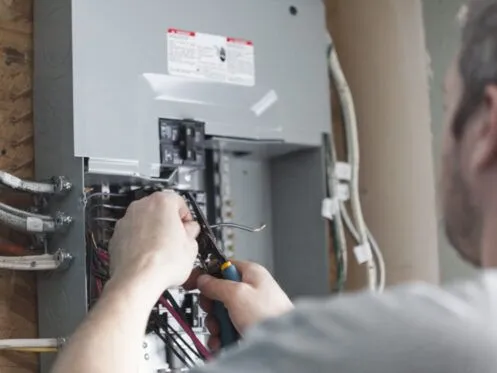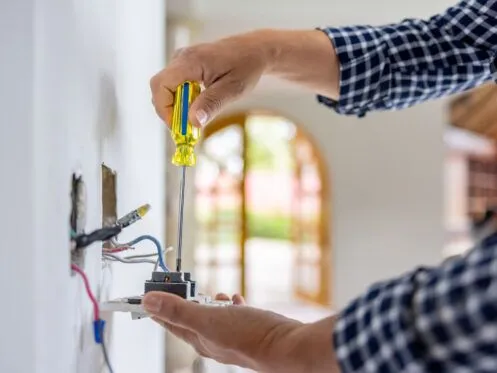

Yes. If you are rewiring a house in Minnesota, the work generally requires an electrical permit and inspection. A whole-home rewire involves replacing or substantially altering permanent electrical wiring, circuits, outlets, switches, and potentially the electrical panel, putting the project squarely within work that must comply with Minnesota’s electrical requirements.
Where you obtain the permit depends on where the property is located. Some Minnesota communities have their own electrical inspection authority, while other areas fall under the Minnesota Department of Labor and Industry (DLI). That distinction matters because homeowners and electrical contractors need to obtain the permit through the authority having jurisdiction over the property’s location.
The permit is more than paperwork. Rewiring changes one of the most important safety systems in a house. Permitting and inspections provide a formal process for verifying that the new wiring complies with applicable electrical code requirements before walls are closed and the project is considered complete.
For homeowners in Forest Lake and throughout the Twin Cities Metro, understanding that process before rewiring begins can prevent inspection problems, project delays, and potentially expensive corrections later.
When Is an Electrical Permit Required in Minnesota?
Minnesota requires permits for electrical installations that are subject to inspection. According to the Minnesota Department of Labor and Industry, the person lawfully responsible for an electrical installation must submit the required permit application and fees at or before starting new electrical wiring that requires inspection.
A house rewire clearly falls into this category because the project typically involves extensive changes to the home’s permanent electrical system.
Depending on the scope of the project, rewiring may involve:
- Replacing outdated branch-circuit wiring
- Installing new electrical circuits
- Replacing ungrounded wiring
- Adding or relocating electrical outlets
- Installing new switches
- Updating lighting circuits
- Installing dedicated circuits for appliances
- Correcting unsafe or damaged wiring
- Adding required electrical protection
- Replacing or modifying an electrical panel
- Rewiring portions of the home during a remodel
- Upgrading electrical service to accommodate modern electrical demand
A complete home rewire can touch nearly every part of the electrical system. Even a partial rewiring project can involve substantial electrical work, so homeowners should not assume that a smaller project automatically avoids permitting requirements.
Who Issues Electrical Permits in Minnesota?
One point that sometimes confuses is that there is not a single permitting office handling every electrical project throughout Minnesota.
The electrical inspection authority varies by location.
The Minnesota Department of Labor and Industry maintains an electrical inspector directory that identifies the Authority Having Jurisdiction, commonly called the AHJ, for different areas.
If the directory identifies the AHJ as “State,” the electrical permit is filed through the Minnesota Department of Labor and Industry.
If it identifies the AHJ as “Local,” the appropriate city or township should be contacted regarding its permitting and inspection process.
This is why two homeowners completing similar rewiring projects in different Twin Cities communities may go through different permitting offices even though both projects must meet applicable electrical requirements.
Before work begins, the inspection jurisdiction for the property’s exact location should be verified.
Does a Whole-House Rewire Need an Inspection?
Yes. Permitting and electrical inspections work together.
Getting the permit starts the process. The inspection verifies that the electrical installation meets applicable requirements.
During a whole-home rewiring project, much of the electrical system eventually disappears behind drywall, insulation, cabinets, ceilings, and other finished surfaces. An inspector may therefore need access to the wiring at specific stages of the project.
That timing is important.
You do not want to finish walls only to discover that an electrical installation that needed to be inspected is no longer accessible.
A professional electrical contractor can coordinate the work so that required inspections occur at the appropriate stages of the project.
What Electrical Code Does Minnesota Use?
Minnesota’s electrical code incorporates the National Electrical Code (NEC), which establishes requirements for electrical wiring, equipment, circuits, grounding, protection, and other components of an electrical installation.
As of August 17, 2026, Minnesota has adopted the 2026 National Electrical Code.
Electrical permits filed before August 17, 2026, are subject to the 2023 NEC, while permits filed on or after August 17, 2026, must comply with the 2026 NEC.
This distinction can become important during renovations or electrical projects planned around a code transition.
A rewire is therefore not simply a matter of replacing an old cable with a new one. The completed electrical installation has to meet the requirements applicable to the permitted project.
Why Rewiring an Older Minnesota Home Can Become a Larger Project
Older homes are often the reason homeowners start researching electrical permits in the first place.
A homeowner may initially want to replace wiring in one room, add several outlets, or remodel a kitchen. Once an electrician examines the existing system, however, other limitations may become apparent.
Older electrical systems were designed around very different household demands.
Today, a typical home may simultaneously operate central air conditioning, computers, televisions, kitchen appliances, charging equipment, entertainment systems, electric heating equipment, and dozens of smaller electronic devices.
The wiring and electrical panel have to support those loads safely.
Older houses may also contain electrical components or wiring methods that deserve closer evaluation before renovation begins.
Aluminum Wiring
Plugz Electric recommends having aluminum wiring evaluated because older aluminum branch-circuit wiring can present concerns at connections and is associated with homes built during an earlier period of residential construction.
Discovering aluminum wiring does not mean homeowners should start opening walls themselves. It means the electrical system should be professionally evaluated to determine what is installed and what corrective work is appropriate.
Ungrounded Outlets and Older Wiring
Two-prong receptacles are common clues that a house may have an older electrical system.
Simply replacing a two-prong outlet with a three-prong receptacle does not magically create an equipment grounding path. The underlying wiring and circuit configuration matter.
During rewiring, electricians can determine how grounding, receptacles, circuits, and other components should be brought into compliance with the requirements applicable to the project.
An Older or Undersized Electrical Panel
Sometimes the wiring is only part of the problem.
If the existing panel cannot accommodate the circuits or electrical demand associated with the upgraded system, a panel replacement or electrical service upgrade may become part of the project.
Plugz Electric handles both whole-home rewiring and electrical panel work, which can be particularly useful when an older home’s wiring and service equipment need to be addressed together.
Do You Need a Permit for a Partial House Rewire in Minnesota?
A project does not necessarily have to involve every room in the house before electrical permitting requirements apply.
Partial rewiring can still involve new or altered permanent electrical wiring that requires a permit and inspection.
For example, suppose you remodel an unfinished basement. The project involves installing new bedroom circuits, outlets, recessed lighting, smoke alarms, and switches while replacing some existing wiring.
That is not a whole-home rewire, but it is substantial electrical installation work.
The same issue can arise during:
- Kitchen remodeling
- Bathroom remodeling
- Basement finishing
- Home additions
- Garage renovations
- Attic conversions
- Major lighting renovations
- New appliance installations
- Home office construction
When remodeling exposes old wiring, it is also a good opportunity to evaluate whether portions of the electrical system should be updated while walls and ceilings are already open.
Can a Minnesota Homeowner Pull an Electrical Permit?
Minnesota DLI provides an electrical permit process for homeowners performing qualifying work on their own property.
That does not mean a whole-house rewire is an ideal DIY project.
Rewiring requires considerably more knowledge than connecting outlets and switches. The electrician has to consider circuit sizing, conductor requirements, grounding, bonding, electrical boxes, required protection, panel capacity, circuit layout, appliance loads, outlet placement, and numerous other code requirements.
There is also the practical challenge of working with an existing house.
Old homes rarely look as clean behind the walls as an electrical diagram suggests. Wiring may have been modified repeatedly over decades. Circuits can take unexpected routes. Junctions may be hidden. Previous additions may have been wired differently from the original house.
An experienced residential electrician knows how to assess the existing system before deciding how the new installation should be laid out.
What Happens If You Rewire a House Without a Permit?
Skipping a required electrical permit can create considerably more trouble than the permit would have caused in the first place.
Minnesota DLI specifically notes that an investigation fee may be assessed when a required permit is not filed at or before the start of electrical work subject to inspection.
There are also practical consequences to consider.
Unpermitted electrical work may need to be exposed so it can be inspected. If deficiencies are discovered, portions of the installation may need to be corrected before approval.
That becomes particularly frustrating when the electrical work has already been covered by finished walls.
Unpermitted work can also raise questions later when selling or renovating the property. A future buyer, home inspector, electrician, or contractor may notice modifications to the electrical system and want to know when and how they were completed.
Doing the job correctly from the beginning creates a clear path from installation to inspection and completion.
What Does an Electrical Inspector Look for During a Rewire?
Electrical inspections are intended to verify that the installation meets applicable electrical requirements.
Exactly what must be inspected depends on the project’s scope, but a residential rewire can involve reviewing areas such as circuit installation, boxes, conductor installation, grounding and bonding, electrical service equipment, receptacles, lighting circuits, and required protective devices.
Inspectors may also evaluate whether appropriate GFCI or AFCI protection is provided where required by the applicable electrical code.
The broader objective is straightforward: the new system should be installed so it safely distributes electricity throughout the house and provides the protections required for the installation.
Does Replacing an Electrical Panel Require a Permit in Minnesota?
Electrical panel replacements and significant panel alterations generally involve permitted electrical work as well.
This frequently overlaps with rewiring projects.
Imagine an older home with limited panel capacity. The homeowner wants to replace outdated wiring and add dedicated circuits for a modern kitchen, HVAC equipment, workshop, or other electrical loads.
The existing panel may not have enough capacity or physical space for the new circuits.
In that situation, the project may include both rewiring and an electrical panel upgrade.
Addressing the system as a whole can be more practical than installing new wiring while leaving behind service equipment that cannot adequately support the home’s current and future electrical needs.
When Should You Consider Rewiring Your Minnesota Home?
The age of a house alone does not determine whether it needs to be rewired. The condition, type, and capacity of the electrical system matter more.
Still, certain symptoms deserve attention.
Plugz Electric recommends having wiring evaluated when homeowners notice problems such as scorch marks around outlets, unexplained burning odors, melted plugs, flickering lights, or circuit breakers that trip repeatedly.
Other reasons to have an electrical system evaluated include:
- Frequently overloaded circuits
- Warm or discolored outlets
- Buzzing electrical components
- Damaged wiring
- Insufficient outlets
- Extensive use of extension cords
- Major remodeling plans
- New high-demand electrical equipment
- An outdated electrical panel
- Known aluminum wiring
- Electrical service that no longer meets household demand
These problems do not automatically mean the entire house needs rewiring. Sometimes an electrical repair, new circuit, outlet replacement, or panel upgrade is enough.
The important part is determining the actual cause before deciding on the solution.
What Happens During a Whole-Home Rewire?
Every house presents different challenges, but a professional rewiring project generally begins with evaluating the existing electrical system and determining what needs to be replaced.
Electrical System Evaluation
The electrician examines the existing wiring, electrical panel, circuits, outlets, switches, and other relevant components.
This helps establish the project’s scope.
Some houses need extensive replacement. Others may contain sections of newer wiring that can remain in service.
Planning the New Circuits
The new electrical layout needs to support how the house is actually used.
That may mean dedicated circuits for major appliances, updated kitchen and bathroom circuits, additional receptacles, new lighting, or provisions for equipment the homeowner plans to add later.
Good planning can prevent another electrical upgrade shortly after the rewire is finished.
Obtaining the Electrical Permit
The appropriate permit is obtained through the authority having jurisdiction before work subject to permitting and inspection begins.
For areas under state jurisdiction, this means working through Minnesota DLI. Areas with a local electrical inspection authority follow the municipality’s process.
Removing or Abandoning Outdated Wiring
Old wiring is replaced or appropriately taken out of service as the new system is installed.
The exact process depends heavily on the construction of the house. Rewiring a finished two-story home is very different from rewiring a house that has already been opened for a major renovation.
Installing New Wiring and Electrical Components
New circuits are routed throughout the home and connected to the appropriate outlets, switches, fixtures, appliances, and equipment.
This is also an opportunity to correct inconvenient electrical layouts.
If your family constantly relies on extension cords because a room has too few receptacles, for example, the rewiring plan can address that problem instead of simply recreating the old layout with new wire.
Inspection
Required electrical inspections are coordinated before work that needs to remain accessible for inspection is concealed.
Any issues identified during inspection are addressed so the installation can receive approval.
Should You Upgrade Outlets While Rewiring?
Usually, it makes sense to evaluate them at the same time.
Rewiring provides an opportunity to reconsider where electricity is available throughout the house.
Older homes were built when families owned far fewer electrical devices. A bedroom might have only a couple of receptacles. Living rooms were not designed around entertainment centers, Wi-Fi equipment, chargers, computers, and powered furniture.
Rather than reproducing an outdated electrical layout, homeowners can discuss additional or relocated outlets as part of the rewiring plan.
Plugz Electric provides outlet installation and repair in addition to wiring and rewiring, allowing those upgrades to be coordinated as part of a broader electrical project.
Should You Add Surge Protection During a Rewire?
A major electrical renovation is also a sensible time to discuss whole-home surge protection.
Modern homes contain far more sensitive electronics than houses did several decades ago. Appliances themselves now commonly contain circuit boards and electronic controls.
Whole-home surge protection provides another layer of protection for equipment connected throughout the electrical system.
Because electricians are already evaluating the panel and electrical distribution system during a rewire, homeowners can consider surge protection alongside panel upgrades and other improvements rather than treating it as an unrelated project later.
Plan for Future Electrical Demand
One of the biggest mistakes in rewiring an older home is designing the new system only around today’s requirements.
Think about how the house may change over the next several years.
You might eventually add an EV charger, finish the basement, remodel the kitchen, build a workshop, install additional outdoor lighting, replace gas appliances with electric models, or add other equipment with substantial electrical demand.
Not every future project needs to be installed during the rewire. However, discussing those possibilities with your electrician can influence panel capacity and circuit planning.
A well-designed electrical system should solve today’s problems without unnecessarily limiting tomorrow’s options.
Why Professional Rewiring Matters
Electrical wiring is mostly invisible after a project is finished. That makes workmanship especially important.
A freshly painted room can look perfect even when electrical problems are hidden inside the walls.
Professional rewiring is about what you cannot see: proper connections, correctly sized conductors, appropriate circuits, secure electrical boxes, grounding and bonding, required protective devices, and an installation designed around the home’s electrical loads.
Permitting and inspection provide another layer of verification.
For homeowners in Forest Lake and across the Twin Cities Metro, Plugz Electric provides residential electrical services ranging from electrical repairs and outlet installations to panel replacements, surge protection, lighting, wiring, and complete home rewiring. We also provide commercial electrical services.
That allows an electrician to evaluate the entire system rather than treating every electrical symptom as an isolated problem.
Get Your Minnesota Home Rewired the Right Way
So, do you need a permit to rewire a house in Minnesota? For a whole-home rewire, the answer is yes. The electrical work needs to follow the applicable permitting and inspection process, with the permit obtained through either Minnesota DLI or the local electrical inspection authority responsible for the property’s location.
More importantly, rewiring should not be approached as simply replacing old wire.
It is an opportunity to improve the safety, capacity, functionality, and long-term usefulness of your home’s entire electrical system.
Plugz Electric provides professional wiring and rewiring services from its Forest Lake location throughout Minneapolis, St. Paul, and communities across the Twin Cities Metro. Whether the project involves correcting old wiring, adding circuits, upgrading an electrical panel, installing outlets, indoor lighting, outdoor lighting, or completing a full-home rewire, the goal should be the same: an electrical system that is properly installed, inspected, and ready for the way you use your home.
Need help? Give our electrical team a call today. (612) 295-1595 – financing is available.
Frequently Asked Questions About Electrical Rewiring Permits in Minnesota
Do you need a permit to rewire a house in Minnesota?
Yes. Whole-home rewiring involves permanent electrical installation work that requires an electrical permit and inspection. Depending on the property’s location, the permit may be handled by the Minnesota Department of Labor and Industry or a local electrical inspection authority.
Who pulls the electrical permit when I hire an electrician in Minnesota?
For work performed by an electrical contractor, the contractor handles the applicable contractor permitting process. Minnesota DLI maintains separate electrical permitting resources for contractors and homeowners.
Can homeowners do their own electrical work in Minnesota?
Minnesota provides a homeowner’s electrical permit process for qualifying electrical work performed on the homeowner’s property. Whole-home rewiring, however, is a complex project involving numerous electrical code and safety requirements, making professional electrical service the practical choice for most homeowners.
Do I need a permit to replace electrical outlets in Minnesota?
Whether a particular electrical repair or replacement requires a permit depends on the exact work being performed and applicable state or local requirements. Adding outlets, extending circuits, or installing new wiring is different from performing a limited replacement. For a specific project, verify the requirements with the electrical authority having jurisdiction.
Does replacing an electrical panel require a permit in Minnesota?
Panel replacements and significant alterations to an electrical service involve electrical work subject to permitting and inspection requirements. Panel work is commonly coordinated with rewiring when an older electrical system needs additional circuit capacity.
How do I know whether Minnesota DLI or my city issues my electrical permit?
Use Minnesota DLI’s electrical inspector directory to identify the Authority Having Jurisdiction for the project’s location. If the AHJ is listed as State, the permit is filed with Minnesota DLI. If it is listed as Local, contact the applicable city or township for its permitting requirements.
What electrical code is currently used in Minnesota?
Minnesota adopted the 2026 National Electrical Code effective August 17, 2026. Permits filed on or after that date must comply with the 2026 NEC. Permits filed before August 17, 2026, fall under the previously adopted 2023 NEC.
Can electrical work be covered before the inspection?
Work that must remain accessible for an electrical inspection should not be concealed before the required inspection occurs. Inspection timing should be coordinated as part of the rewiring project so wiring is available for review when necessary.
How long does it take to rewire a house in Minnesota?
There is no universal timeframe. The size and age of the house, accessibility of existing wiring, whether walls are already open, the number of circuits, panel upgrades, remodeling work, and inspection scheduling can all affect the project timeline. A partially renovated home with open walls may be substantially easier to rewire than a fully finished older house.
Is rewiring worth it in an older Minnesota home?
It can be when the existing system is outdated, damaged, insufficient for modern electrical loads, or causing recurring problems. Rewiring can also provide an opportunity to add outlets, improve circuit layouts, upgrade the electrical panel, install modern protection, and prepare the home for future electrical needs.