
Electricity works quietly behind the walls, which makes it easy to assume an electrical system is in good condition as long as the lights turn on and the outlets have power. Unfortunately, many electrical problems develop long before they cause an obvious failure.
An electrical safety inspection provides a closer look at the condition of a home’s electrical system. Rather than waiting for a breaker to fail, an outlet to overheat, or damaged wiring to create a more serious problem, an inspection can identify potential safety concerns and areas that may need repair or upgrading.
For homeowners in Forest Lake and throughout the Twin Cities Metro Area, electrical inspections can be particularly useful when dealing with an older property, planning a renovation, buying a home, adding high-demand electrical equipment, or investigating recurring electrical problems.
A professional inspection also gives homeowners something valuable that is difficult to get by simply looking around the house: a better understanding of how the electrical system is actually performing and whether its major components are appropriate for the way the home is being used today.
What Is an Electrical Safety Inspection?
An electrical safety inspection is a systematic evaluation of a property’s electrical system and accessible electrical components. A qualified electrician looks for unsafe conditions, damaged equipment, improper installations, signs of deterioration, and other problems that could affect electrical safety or reliability.
The inspection can involve much more than checking whether outlets and lights work. Depending on the property and reason for the inspection, an electrician may evaluate the electrical panel, breakers, wiring, receptacles, switches, grounding and bonding, GFCI and AFCI protection, lighting connections, and other components.
The objective is to find conditions that deserve attention before they become larger problems.
For example, an outlet can continue supplying electricity even when its internal connections are deteriorating. A breaker can appear normal while a circuit repeatedly operates close to its capacity. Older wiring may remain functional, but no longer be appropriate for changes that have been made to the home.
Those are exactly the types of conditions an electrical safety inspection is intended to uncover.
Why Electrical Safety Inspections Matter
Electrical systems do not remain unchanged throughout the life of a house. Components age, homeowners remodel rooms, new appliances are installed, outlets are added, panels are modified, and electrical demand increases.
Sometimes those changes are professionally completed and carefully documented. Other times, an electrician opens a panel or junction box years later and discovers work performed by several different people using very different standards.
An electrical inspection helps establish the current condition of the system rather than relying on assumptions about its history.
That can help identify concerns associated with:
- Damaged or deteriorating wiring
- Loose electrical connections
- Improperly installed components
- Overloaded circuits
- Outdated electrical equipment
- Missing or inadequate electrical protection
- Damaged receptacles and switches
- Panel or breaker problems
- Grounding and bonding concerns
- Previous DIY electrical work
- Electrical modifications made during earlier renovations
- Signs of overheating, arcing, or other abnormal conditions
Finding a problem early can also make the repair considerably more straightforward. Replacing a damaged receptacle or correcting a loose connection is very different from repairing the damage that can occur after prolonged overheating.
What Does an Electrical Safety Inspection Include?
The exact scope depends on the property, accessibility of components, and the reason the inspection is being performed. A residential electrical safety inspection commonly focuses on several important parts of the system.
Electrical Panel and Circuit Breakers
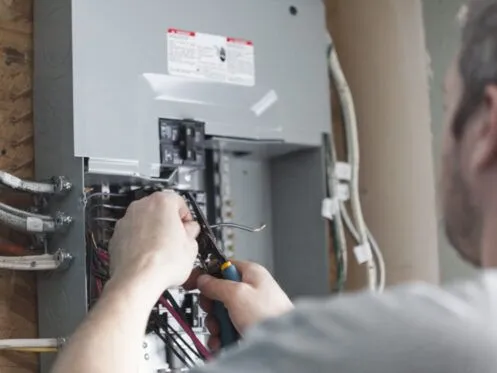
The electrical panel is one of the first places an electrician may examine because it distributes electricity among the circuits throughout the home.
The electrician can look at the panel’s overall condition, breaker arrangement, connections, labeling, signs of excessive heat, corrosion, physical damage, and evidence of previous modifications.
The inspection may also reveal whether the existing panel is becoming inadequate for the household’s electrical needs.
Modern homes place significant demands on electrical systems. Central air conditioning, electric ranges, dryers, computers, entertainment systems, workshops, hot tubs, EV chargers, and other equipment can create loads that were never anticipated when an older home’s electrical system was installed.
Frequent breaker trips, flickering lights, nonworking outlets, or unusual sounds around the electrical panel can be signs that professional evaluation is needed.
Wiring and Electrical Connections
Electrical wiring is largely hidden, but accessible portions of the system can provide important information about its condition.
An electrician may look for damaged insulation, improper splices, loose connections, unsupported wiring, exposed conductors, inappropriate wiring methods, or signs that previous electrical work was performed incorrectly.
Older properties deserve particular attention because the electrical system may have gone through decades of repairs, additions, and remodeling.
A home does not necessarily require whole-home rewiring simply because it is older. The condition and type of wiring matter. An inspection helps an electrician determine what is actually present and whether specific areas should be repaired, replaced, or upgraded.
Electrical Outlets and Receptacles
Electrical outlets receive constant use, so deterioration can occur gradually.
Loose plugs, discoloration, cracking, buzzing, warmth, intermittent power, sparks, or outlets that no longer work correctly should not be ignored.
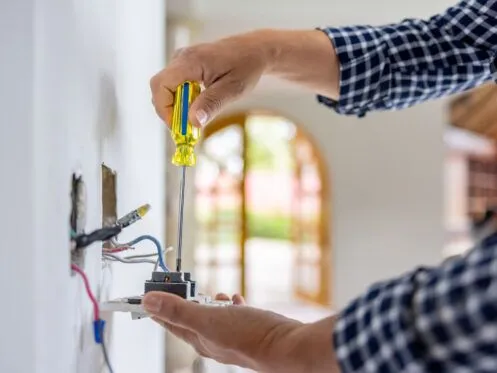
An electrician can evaluate receptacles for physical condition, proper operation, grounding concerns, and other issues. Where appropriate, the inspection can also consider whether specialized protection is present in areas where it is needed.
If problems are found, outlet repair or replacement can often be incorporated into the recommended electrical work.
GFCI Protection
Ground-fault circuit interrupter protection is an important electrical safety feature, particularly in locations where electricity and moisture can come into contact.
GFCI-protected receptacles and circuits are commonly associated with areas such as bathrooms, kitchens, garages, basements, exterior locations, and other applicable spaces.
During an electrical safety inspection, existing GFCI devices can be examined and tested. An electrician can also identify locations where the home’s protection should be evaluated against current requirements and the configuration of the electrical system.
AFCI Protection
Arc-fault circuit interrupter protection is designed to respond to certain electrical arcing conditions that conventional overcurrent protection may not address in the same way.
Depending on the age of the house, previous electrical work, and circuit configuration, an electrician may evaluate existing AFCI protection as part of the inspection.
This is another reason professional assessment matters. Electrical safety is not simply about whether a breaker turns on and off. Different protective devices serve different purposes within the system.
Switches and Lighting
Lighting problems are sometimes treated as minor annoyances, but unusual behavior can indicate an electrical issue.
An electrician may evaluate switches, fixtures, connections, dimmers, and accessible lighting wiring when relevant to the inspection.
Warning signs can include:
- Lights that flicker repeatedly
- Switches that feel unusually warm
- Buzzing from a switch or fixture
- Lights that dim when another appliance starts
- Fixtures that work intermittently
- Discoloration around switches or fixtures
- Breakers that trip when particular lights are used
An inspection can help distinguish a simple fixture problem from an issue involving the circuit or electrical system.
Grounding and Bonding
Grounding and bonding are fundamental elements of electrical safety, but homeowners rarely see or think about them.
These systems help establish safe paths for fault current and keep conductive components appropriately connected. Problems with grounding or bonding may not be obvious during everyday use, which makes professional evaluation particularly important.
An electrician can inspect accessible grounding and bonding components and identify conditions that require correction.
Surge Protection
An electrical inspection is also a useful opportunity to evaluate how the home is protected against voltage surges.
Surges can originate from several sources and can damage electronics, appliances, and other electrical equipment. Plug-in surge protectors can be useful for individual devices, while whole-home surge protection protects at the electrical system level.
For homeowners with substantial investments in appliances, computers, entertainment equipment, smart-home technology, and other electronics, whole-home surge protection may be worth discussing during an inspection.
Smoke Alarms and Related Safety Equipment
Depending on the scope of the inspection, electricians may also evaluate electrically connected smoke alarms and other relevant safety devices.
The placement, condition, power source, and interconnection of these devices can all affect how effectively they perform when needed.
Signs You May Need an Electrical Safety Inspection
You do not have to wait until the electrical system stops working to schedule an inspection.
In fact, unexplained changes in the way electricity behaves around the house can be some of the best reasons to have the system evaluated.
Consider scheduling an electrical inspection if you notice:
- Frequently tripping circuit breakers
- Flickering or dimming lights
- Buzzing or crackling sounds
- Burning or unusual electrical odors
- Warm outlets or switches
- Discolored receptacles or switch plates
- Loose electrical outlets
- Outlets that suddenly stop working
- Sparks when plugging in equipment
- Repeated electrical problems in one area of the home
- An aging or visibly damaged electrical panel
- Extension cords are being used as permanent power sources
These symptoms can have different causes. The purpose of professional troubleshooting and inspection is to determine why the problem is occurring instead of simply treating the symptom.
When Should You Schedule an Electrical Safety Inspection?
There is no single event that makes an inspection appropriate for every property. Certain situations, however, provide especially good reasons to have an electrician take a closer look.
When Buying a Home
A general home inspection provides valuable information, but an electrical safety inspection performed by an electrical professional can provide a more focused assessment of the electrical system.
This can be particularly helpful when purchasing an older house, a property that has undergone extensive remodeling, or a home with visible electrical modifications.
Knowing about potential panel upgrades, wiring repairs, outlet replacement, or other electrical work before moving in can help buyers understand what the property may need.
When You Own an Older Home
Older homes can be perfectly functional, but their electrical systems were often designed around very different lifestyles.
Think about how much household electricity use has changed. Homes now routinely power multiple televisions, computers, kitchen appliances, HVAC equipment, chargers, gaming systems, home offices, security systems, smart devices, and sometimes electric vehicles.
Even when older electrical components remain operational, the system should be evaluated if there are questions about its condition or capacity.
Before a Major Remodel
Remodeling frequently exposes existing electrical problems and creates new electrical requirements.
Kitchen renovations may require additional receptacles, dedicated circuits, lighting, and appliance connections. Basement finishing can introduce an entirely new set of outlets, switches, and lighting circuits. Home additions can substantially increase electrical demand.
Having the electrical system evaluated during the planning stage can help determine whether existing wiring and panel capacity are appropriate for the project.
It is much easier to address necessary wiring or electrical upgrades while walls are already being opened than after the finished surfaces are installed.
After Significant DIY Electrical Work
A new light fixture or outlet may look perfectly normal from the room while hiding questionable connections behind the wall.
If you purchased a home with obvious DIY modifications or know that extensive electrical work was completed without professional involvement, an inspection can help determine whether those installations need attention.
Electrical problems are not always visible from the finished side of a switch, receptacle, or fixture.
Before Adding High-Demand Electrical Equipment
Certain additions can significantly change household electrical demand.
Examples include:
- EV charging stations
- Hot tubs
- Electric ranges
- Large workshop equipment
- Electric heating equipment
- Additional HVAC equipment
- Major kitchen appliances
- Home additions
Before installing equipment with substantial power requirements, an electrician can evaluate panel capacity, available circuits, wiring requirements, and related electrical infrastructure.
The correct solution may be a new dedicated circuit. In other cases, broader electrical upgrades could be appropriate.
After Storms or Electrical Events
Severe weather, lightning, utility disturbances, and other electrical events can sometimes affect components within a home’s electrical system.
If breakers begin tripping, lights behave differently, electronics fail unexpectedly, or other electrical problems appear after an event, an inspection can help determine whether repairs are necessary.
This is also a good time to discuss whole-home surge protection if the property does not already have it.
Electrical Safety Inspections in Older Twin Cities Homes
The Twin Cities Metro Area contains homes from many different construction eras. A property may have an original electrical system, a completely modernized system, or—very commonly—a mixture of old and new components.
That mixed history is important.
A remodeled kitchen may have newer circuits, while bedrooms still rely on older wiring. A panel may have been replaced even though some branch circuits were left unchanged. New outlets may have been installed during renovations without addressing other weaknesses elsewhere in the system.
For this reason, the age of the house alone does not tell the complete story.
An electrical safety inspection helps establish what is actually installed today.
Can an Electrical Inspection Find Fire Hazards?
One of the most important purposes of electrical inspection is identifying conditions that could contribute to overheating, arcing, equipment failure, or electrical fire.
Potential concerns can include loose connections, damaged conductors, overloaded circuits, deteriorated electrical components, improper modifications, and signs of excessive heat.
A homeowner may not notice these problems during normal use.
For example, a loose electrical connection can create resistance and heat while the connected appliance continues working. By the time there is visible discoloration or a burning smell, the condition may already have progressed significantly.
That is why recurring electrical warning signs deserve attention rather than repeated resets or temporary fixes.
What Happens If an Inspection Finds a Problem?
Finding an issue does not automatically mean the entire electrical system needs replacement.
Electrical systems consist of many interconnected components, and recommendations should correspond to the actual condition that was discovered.
A professional electrician may recommend something relatively straightforward, such as replacing a damaged outlet or correcting a loose connection. Other findings may require more substantial work.
Possible recommendations can include:
- Electrical repairs
- Outlet or switch replacement
- New dedicated circuits
- Wiring replacement
- Partial or whole-home rewiring
- Electrical panel repair or replacement
- Lighting repairs or upgrades
- Grounding or bonding corrections
- GFCI or AFCI improvements
- Whole-home surge protection
- Electrical upgrades to support new equipment
The important part is understanding why a repair or upgrade is being recommended.
A good electrician should be able to explain the condition, its significance, and the appropriate options for correcting it.
Electrical Safety Inspection vs. Electrical Code Inspection
These terms are sometimes used interchangeably, but they can refer to different processes.
A professional electrical safety inspection generally focuses on the condition, operation, and safety of a property’s electrical system.
An official code or permit inspection, by contrast, may be performed by an authority having jurisdiction in connection with permitted electrical work. Its purpose is to evaluate the applicable work for compliance with relevant requirements.
A homeowner can therefore have an electrical system professionally evaluated even when there is no active construction permit or government inspection involved.
Is an Electrical Inspection the Same as Electrical Troubleshooting?
Not exactly.
Troubleshooting usually begins with a specific problem.
For example:
“My kitchen breaker keeps tripping.”
“Half the outlets in this bedroom stopped working.”
“The lights flicker whenever the air conditioner starts.”
An electrician then works to identify the cause of that particular problem.
An electrical safety inspection takes a broader view. Instead of focusing exclusively on one symptom, the electrician evaluates multiple parts of the electrical system for safety and condition.
The two services can overlap. A homeowner may initially request troubleshooting and then decide that a broader inspection makes sense, particularly when multiple electrical problems are present.
Electrical Safety and Home Rewiring
One common question after an inspection is whether an older home needs rewiring.
The answer depends on what is found.
Age by itself is not enough to determine that an entire house needs new wiring. Electricians consider factors such as wiring type, physical condition, previous alterations, circuit configuration, electrical demand, and observed safety concerns.
When rewiring is appropriate, it provides an opportunity to design the electrical system around modern household needs rather than repeatedly adapting an outdated configuration.
That may include additional receptacles, dedicated appliance circuits, improved lighting, new switches, updated protection, and capacity for future electrical equipment.
Electrical Panels Are an Important Part of Home Safety
The electrical panel is the distribution point for the home’s branch circuits, making its condition an important part of the overall electrical system.
Panel replacement or upgrading may become appropriate when equipment is damaged, inadequate for current electrical demand, or otherwise no longer suitable for the home’s needs.
A panel upgrade can also become part of a larger project, such as whole-home rewiring, remodeling, adding major electrical equipment, or installing an EV charging station.
Rather than assuming a larger panel is automatically necessary, an electrician should evaluate the existing electrical system and planned loads to determine the appropriate solution.
Don’t Overlook Outlets and Switches
Homeowners naturally pay attention to large components such as the electrical panel, but smaller devices deserve attention, too.
Outlets and switches are physical connection points that are used constantly. They can loosen, wear out, become damaged, or develop connection problems.
A plug that falls out of a receptacle easily, a switch that makes unusual sounds, or an outlet that feels warm is giving you information about the electrical system.
These symptoms should not become “normal” simply because they have been happening for months.
Replacing damaged electrical devices and correcting the underlying connections can improve both safety and everyday reliability.
How Electrical Inspections Support Future Home Improvements
An electrical safety inspection does more than identify existing problems. It can also help homeowners plan intelligently.
Suppose you expect to remodel the kitchen next year, install outdoor lighting, add an EV charger, finish the basement, or build a home office. Each project can affect the electrical system.
Understanding your existing panel, circuits, wiring, and available capacity makes it easier to plan those projects as part of one electrical strategy.
Instead of completing a panel upgrade today and discovering six months later that another project requires additional changes, homeowners can discuss anticipated electrical needs with their electrician from the beginning.
That can be particularly useful when planning:
- Indoor lighting upgrades
- Outdoor and landscape lighting
- Additional outlets
- New dedicated circuits
- Ceiling fans
- Electrical remodeling
- EV charging
- Surge protection
- Panel upgrades
- Wiring and rewiring
Why Professional Electrical Inspections Are Different From DIY Checks
Homeowners can—and should—pay attention to visible warning signs.
You can notice a cracked outlet, a repeatedly tripped breaker, a damaged extension cord, a flickering fixture, or a switch that feels unusually warm.
What you cannot determine from appearance alone is what is happening throughout the electrical system.
Professional electricians have the training to evaluate electrical components in context. A breaker trip, for example, is not simply an inconvenience. The electrician needs to determine what the circuit serves, why the breaker is opening, whether the load is appropriate, and whether other problems are contributing to the condition.
Electrical work also introduces shock, arc, and fire hazards when performed incorrectly. Opening panels, modifying wiring, or attempting repairs without the appropriate knowledge is very different from visually checking your home for obvious warning signs.
Schedule an Electrical Safety Inspection With Plugz Electric
When something about your electrical system does not seem right, waiting for the problem to become more obvious is rarely the best strategy.
Plugz Electric provides residential and commercial electrical services from Forest Lake throughout the Twin Cities Metro Area. The company’s services include electrical repairs, panel replacement, electrical wiring and whole-home rewiring, surge protection, outlet and switch installation and repair, indoor and outdoor lighting, ceiling fan installation, EV charging, and electrical work associated with remodeling projects.
Plugz Electric also provides inspection and testing services and states that its team stays current with applicable regulations.
Whether you are investigating flickering lights, planning a remodel, concerned about an older panel, or simply want a clearer understanding of your home’s electrical system, an electrical safety inspection is a practical place to start.
A qualified electrician can identify concerns, explain what they mean, and determine whether the right next step is a small repair, an electrical upgrade, new wiring, panel work, improved surge protection, or another solution.
Reach our team today by calling 612-295-1595 or reach us online by filling out this form.
Frequently Asked Questions About Electrical Safety Inspections
What is an electrical safety inspection?
An electrical safety inspection is a professional evaluation of a home’s electrical system and accessible components. It can include the electrical panel, circuit breakers, wiring, outlets, switches, grounding and bonding, protective devices, lighting connections, and other electrical equipment.
The purpose is to identify unsafe conditions, deterioration, improper installations, and other electrical problems that may require attention.
What does an electrician check during an electrical safety inspection?
The scope varies by property, but an electrician may inspect the panel and breakers, accessible wiring, receptacles, switches, grounding and bonding, GFCI and AFCI protection, lighting, and signs of overheating or previous improper electrical work.
The electrician may also discuss the home’s electrical capacity if you are planning renovations or adding high-demand equipment.
How long does an electrical safety inspection take?
Inspection time depends on the size, age, accessibility, and complexity of the property as well as the scope of the inspection. A small modern home with a relatively straightforward electrical system can differ significantly from an older property that has undergone multiple additions and renovations.
How often should a home’s electrical system be inspected?
There is not one inspection interval that fits every property. The home’s age, electrical system condition, previous renovations, equipment changes, and history of electrical problems all matter.
An inspection is particularly worth considering when purchasing an older property, before major remodeling, after questionable DIY electrical work, or when recurring warning signs appear.
Should I get an electrical inspection before buying a house?
It can be particularly valuable when purchasing an older house or one with signs of previous electrical modifications. A focused electrical evaluation can provide more information about the panel, wiring, outlets, protective devices, and potential electrical repairs or upgrades.
Can an electrical safety inspection prevent an electrical fire?
No inspection can guarantee that an electrical problem will never occur, but professional inspections can identify conditions associated with electrical hazards before they progress. Examples include loose connections, damaged wiring, overheating components, improper modifications, and overloaded circuits.
Correcting those conditions can reduce avoidable electrical risks.
Does an old house automatically need rewiring?
No. The age of the house alone does not determine whether whole-home rewiring is necessary.
An electrician needs to consider the type and condition of the existing wiring, modifications made over the years, electrical demand, panel condition, and any specific safety problems that are found. Some properties may need targeted repairs, while others may benefit from more extensive rewiring.
What are the warning signs of unsafe electrical wiring?
Common warning signs include burning odors, repeated breaker trips, flickering lights, buzzing or crackling sounds, warm or discolored outlets, sparks, intermittent power, and damaged electrical components.
These symptoms should be professionally evaluated rather than repeatedly ignored or temporarily worked around.
Will an electrical safety inspection tell me if I need a new panel?
It can help an electrician determine whether the existing panel has problems or is appropriate for the home’s current and planned electrical needs.
If panel replacement is recommended, the electrician should be able to explain the specific reason and how the upgrade relates to the rest of the electrical system.
Should I schedule an inspection before remodeling?
It is often a smart time to evaluate the electrical system. Remodeling can require new outlets, lighting, circuits, wiring, switches, or additional electrical capacity.
Identifying necessary upgrades before construction begins can make it easier to coordinate electrical work with the rest of the renovation.
Can an electrician inspect outlets that still work?
Yes. An outlet producing power is not necessarily an outlet in ideal condition. Connections can loosen, receptacles can wear out, grounding issues can exist, and heat damage can develop even while the device continues functioning.
Is whole-home surge protection worth discussing during an inspection?
Yes. An inspection provides an opportunity to evaluate existing electrical protection and discuss whether whole-home surge protection makes sense for the property.
This can be particularly relevant in homes containing expensive appliances, computers, entertainment equipment, smart-home devices, and other sensitive electronics.
Who should perform an electrical safety inspection?
A qualified electrical professional should evaluate the electrical system. Plugz Electric serves Forest Lake and communities throughout the Twin Cities Metro Area and provides electrical inspection and testing along with repair, installation, wiring, panel, outlet, surge protection, and lighting services.