
Electrical failure can happen without warning. One moment, everything in your home is working normally. The next, lights go out, outlets stop working, or a circuit breaker trips and refuses to reset. Sometimes, the problem is minor. Other times, it signals damaged wiring, an overloaded electrical circuit, or a dangerous condition that could lead to an electrical fire.
Understanding what causes electrical failure is important for homeowners and business owners alike. Electrical systems contain numerous interconnected components, and a problem in one area can affect power throughout a property.
A failed outlet, for example, may actually be caused by a loose connection elsewhere on the circuit. Flickering lights could indicate a failing switch, but they can also point to voltage fluctuations or problems inside the electrical panel.
For homeowners in Forest Lake, Saint Paul, Minneapolis, and throughout the Twin Cities Metro area, recognizing electrical problems early can help prevent expensive repairs, property damage, and unnecessary safety risks.
This guide explains the most common causes of electrical failure, how to recognize warning signs, what to do when your electrical system stops working, and how professional electrical maintenance can help prevent future problems.
What Is Electrical Failure?
Electrical failure occurs when an electrical system, circuit, or component stops functioning as intended. The failure may interrupt electricity completely, reduce the performance of connected equipment, or create unsafe operating conditions.
Electrical failures can develop suddenly or gradually.
A sudden failure might occur when a damaged appliance creates a short circuit, causing a breaker to trip immediately. A gradual failure may begin with a loose electrical connection that generates excessive heat over time until the connection deteriorates.
Not every electrical failure results in a complete power outage. Some problems allow electricity to continue flowing while creating conditions that increase the risk of overheating, equipment damage, or fire.
Common examples include:
- Electrical outlets that suddenly stop working
- Circuit breakers that trip repeatedly
- Lights that flicker or dim unexpectedly
- Damaged or deteriorating electrical wiring
- Electrical panels that overheat or malfunction
- Appliances that lose power intermittently
- Faulty switches and loose electrical connections
- Voltage fluctuations that affect electronic equipment
- Ground faults and short circuits
- Electrical components damaged by moisture or power surges
Electrical failures can affect a single device, an individual circuit, or an entire building.
The extent of the problem depends on where the failure occurs and how the electrical system is designed.
What Are the Most Common Causes of Electrical Failure?
Electrical systems fail for many reasons, but most problems involve damaged components, improper electrical loads, poor connections, or environmental conditions.
Identifying the underlying cause is essential. Simply replacing a malfunctioning outlet or resetting a breaker may not correct the problem that caused the failure.
1. Overloaded Electrical Circuits
An overloaded circuit is one of the most common causes of electrical problems in residential properties.
Every electrical circuit is designed to carry a specific amount of current. When connected appliances and devices demand more electricity than the circuit can safely handle, the circuit breaker should trip to protect the wiring.
For example, running a portable space heater, microwave, and another high-wattage appliance on the same circuit may exceed its capacity.
Signs of an overloaded electrical circuit include:
- Breakers that trip when multiple appliances operate
- Lights that dim when equipment starts
- Repeated power interruptions in specific rooms
- Electrical problems that occur during periods of high electricity use
Older homes may be particularly vulnerable to overloaded circuits because their electrical systems were designed for different household power requirements.
Modern homes often include electric vehicle chargers, larger kitchen appliances, home offices, entertainment systems, and other equipment that increases electrical demand.
When a circuit repeatedly becomes overloaded, a licensed electrician can evaluate whether additional circuits, updated wiring, or an electrical panel upgrade would provide a better solution.
2. Faulty or Deteriorating Electrical Wiring
Electrical wiring carries electricity throughout a building. Over time, wiring can deteriorate because of age, physical damage, excessive heat, moisture, or improper installation.
Damaged insulation may expose electrical conductors, increasing the possibility of short circuits, ground faults, and electrical fires.
Common wiring problems include loose connections, damaged conductors, deteriorating insulation, improper splices, and outdated wiring methods.
Some older Minnesota homes may also contain aluminum branch-circuit wiring installed during earlier construction periods. Certain older solid aluminum wiring systems require special attention because incompatible devices or improper connections can increase the risk of overheating.
Not every older wiring system requires complete replacement. However, wiring that shows signs of deterioration should be evaluated by a qualified electrician.
Professional electrical wiring and rewiring can address unsafe connections, damaged conductors, and electrical systems that no longer meet a property’s needs.
3. Loose Electrical Connections
Loose electrical connections are particularly concerning because they may continue conducting electricity while generating excessive heat.
As electricity passes through a poor connection, electrical resistance can increase. The resulting heat may damage nearby insulation, terminals, switches, or receptacles.
In some situations, a loose connection can also produce electrical arcing.
Electrical arcing occurs when electricity jumps across a gap between conductors or contacts. The resulting temperatures can be high enough to damage electrical components and ignite combustible materials.
Loose connections may develop inside:
- Electrical panels
- Outlet boxes
- Light switches
- Junction boxes
- Lighting fixtures
- Appliance connections
- Circuit breaker terminals
A connection does not need to fail completely to become dangerous.
An outlet that occasionally loses power or a light that flickers when another appliance operates may indicate an intermittent connection.
These problems require proper electrical troubleshooting rather than repeated attempts to restore power.
4. Short Circuits
A short circuit occurs when electricity follows an unintended path with relatively low resistance.
In a typical residential electrical system, this can happen when an energized conductor contacts a neutral conductor or another conductor at a different electrical potential.
The resulting current can increase rapidly, causing a properly functioning circuit breaker to trip.
Short circuits may result from damaged wire insulation, defective appliances, loose conductors, or improper electrical connections.
A breaker that trips immediately after being reset may indicate a short circuit, although other faults can produce similar symptoms.
Repeatedly resetting the breaker without correcting the problem can expose the electrical system to additional risk.
5. Ground Faults
A ground fault occurs when electrical current unintentionally flows from an energized conductor to a grounded surface or another unintended ground path.
Ground faults can occur when damaged wiring contacts metal equipment enclosures, moisture enters electrical components, or insulation deteriorates.
Ground-fault circuit interrupters, commonly called GFCIs, help reduce the risk of electric shock by detecting certain differences between outgoing and returning current.
GFCI protection is particularly important in locations where electricity and moisture may come into contact, including bathrooms, kitchens, garages, outdoor areas, and other locations specified by applicable electrical codes.
A GFCI outlet that repeatedly trips may indicate moisture intrusion, faulty equipment, damaged wiring, or another electrical problem.
6. Electrical Panel Problems
The electrical panel distributes electricity to the circuits throughout a home or business.
When a panel develops problems, the effects may extend beyond a single outlet or appliance.
Common electrical panel issues include:
- Deteriorating circuit breakers
- Loose or damaged connections
- Corrosion inside the panel
- Overheating electrical components
- Improperly installed breakers
- Insufficient circuit capacity
- Damage caused by moisture
- Aging equipment that requires replacement
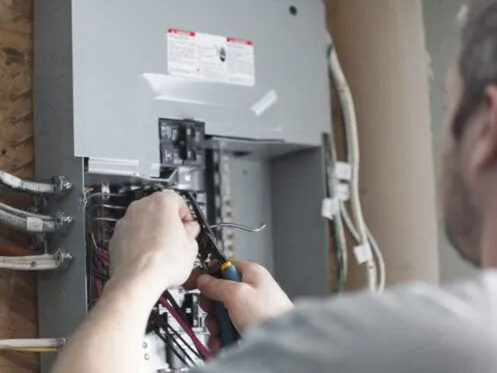
A failing electrical panel may produce buzzing sounds, unusual odors, repeated breaker trips, or intermittent power loss.
Some problems are caused by individual breakers or connections. Others require more extensive repairs or replacement.
Plugz Electric provides electrical panel repairs and replacements for homeowners in Forest Lake and the surrounding Twin Cities communities.
A professional panel evaluation can determine whether the existing equipment can be repaired or whether an upgrade is appropriate.
7. Power Surges and Voltage Fluctuations
A power surge is a brief increase in electrical voltage that can damage sensitive electronic equipment.
Surges may originate outside the home or from electrical activity within the property.
Possible causes include lightning-related events, utility switching operations, and the operation of certain electrical equipment.
Not every voltage fluctuation is a transient surge. Sustained overvoltage, undervoltage, and unstable neutral connections can create different problems that require separate diagnostic approaches.
Power disturbances can affect computers, televisions, refrigerators, heating and cooling equipment, and other appliances.
Installing whole-home surge protection can help reduce damage from many transient voltage surges.
However, surge protection cannot prevent every type of electrical failure or guarantee protection against all lightning-related damage. It also does not correct defective wiring or sustained voltage problems.
8. Water Damage and Moisture Exposure
Water and electricity are a dangerous combination.
Moisture can enter electrical equipment through roof leaks, plumbing failures, flooding, condensation, or damaged outdoor enclosures.
When water reaches electrical components, it can cause corrosion, insulation damage, ground faults, and short circuits.
Electrical equipment exposed to flooding may remain unsafe even after it appears dry.
This is particularly important in basements, garages, outdoor electrical installations, and areas where snowmelt or seasonal moisture can affect electrical equipment.
Water-damaged outlets, switches, panels, and wiring should be evaluated before they are returned to service.
9. Aging Electrical Equipment
Electrical components do not last indefinitely.
Repeated heating and cooling, mechanical wear, environmental exposure, and normal operation can gradually affect their performance.
Older outlets may lose their ability to hold plugs securely. Switch contacts can deteriorate. Breakers and other protective devices may eventually fail.
Age alone does not establish that an electrical component is unsafe, but equipment condition matters.
An older electrical system that has been properly maintained may perform reliably for many years. A newer installation with defective connections or improper workmanship can develop serious problems much sooner.
10. Improper Electrical Installation
Poor installation practices can cause electrical failures even when the components themselves are new.
Examples include incorrect conductor sizing, loose terminals, improper circuit protection, incompatible devices, and inadequate grounding or bonding.
Problems may not become apparent until electrical demand increases.
For instance, an improperly installed EV charging circuit might appear to work during a short test but develop overheating problems during extended charging sessions.
Proper electrical installation requires more than connecting wires. The entire circuit must be designed and installed for the expected load and applicable electrical requirements.
Warning Signs of Electrical Failure You Should Never Ignore
Electrical systems often provide warning signs before a complete failure occurs.
Some symptoms are obvious. Others are easy to dismiss because the affected equipment continues working.
Recognizing the difference can help prevent a minor problem from becoming a major repair.
Flickering or Dimming Lights
Occasional light fluctuations can result from normal equipment operation or utility voltage changes.
However, persistent flickering, especially across multiple rooms, deserves attention.
Potential causes include loose connections, faulty switches, defective fixtures, circuit loading problems, or unstable voltage.
If lights throughout the home brighten and dim unpredictably, a service connection or neutral problem may be involved.
Circuit Breakers Keep Tripping
Circuit breakers are designed to interrupt electricity when certain unsafe electrical conditions occur.
A breaker that trips once may have responded to a temporary overload.
Repeated trips indicate that the underlying cause needs investigation.
The problem could involve excessive electrical demand, damaged wiring, a ground fault, a short circuit, or a defective breaker.
Burning Smells Near Outlets or Panels
A burning smell near electrical equipment is a serious warning sign.
Overheated wiring, damaged insulation, and deteriorating connections can produce unusual odors before visible damage appears.
If you notice a burning smell, stop using the affected equipment. If it is safe to do so, disconnect power without approaching damaged or overheating components.
If there is smoke, fire, or an immediate threat, leave the area and call 911.
Buzzing, Crackling, or Popping Sounds
Electrical equipment should not produce persistent crackling or popping sounds during normal operation.
These noises may indicate electrical arcing, loose connections, or failing components.
Some electrical devices naturally produce a faint operating hum, but a new or worsening noise from an outlet, switch, or panel should be evaluated.
Outlets That Feel Hot
An outlet may become slightly warm under certain operating conditions, particularly when connected to equipment that produces heat.
However, an outlet or wall plate that becomes unusually hot, discolored, or smells burnt may have a damaged connection or another fault.
Stop using the outlet and arrange an inspection.
Intermittent Power Loss
Power that repeatedly disappears and returns can indicate a failing connection, damaged conductor, defective breaker, or utility supply problem.
Intermittent failures are often difficult to diagnose because the electrical system may appear normal when the electrician arrives.
Keeping track of when the problem occurs and which devices are affected can help identify the cause.
What Happens When an Electrical System Fails?
The effects of electrical failure depend on the type of fault and where it occurs.
A failed receptacle may interrupt electricity to one appliance. A damaged circuit connection may affect several outlets and lights. A utility service problem can disrupt power throughout the building.
Electrical failures generally fall into several categories.
Open-Circuit Failure
An open circuit occurs when the intended electrical path is interrupted.
Examples include a broken conductor, disconnected terminal, open switch, or tripped breaker.
The affected equipment usually stops operating because current cannot flow through the complete circuit.
Short-Circuit Failure
A short circuit creates an unintended low-resistance path for current.
The resulting fault current may cause a protective device to operate quickly.
Without appropriate protection, excessive current can damage conductors and equipment.
Insulation Failure
Electrical insulation separates energized conductors from other conductors and surrounding materials.
When insulation deteriorates, electricity may travel along unintended paths.
This can produce leakage current, arcing, ground faults, or short circuits.
Component Failure
Individual electrical components can fail because of wear, manufacturing defects, heat, environmental exposure, or electrical stress.
Examples include failed switches, receptacles, circuit breakers, lighting drivers, and appliance components.
A component failure may be isolated, but electricians must determine whether another electrical condition contributed to the damage.
Electrical Failure vs. Power Outage: What’s the Difference?
Electrical failure and power outage are related terms, but they do not always describe the same problem.
An electrical failure involves a malfunction within an electrical system or component.
A power outage describes a loss of electrical supply, which may result from a utility interruption or a problem within the property.
| Electrical failure | Utility power outage |
| May affect one outlet, circuit, or an entire building | Often affects multiple properties |
| Can result from faulty wiring, breakers, or equipment | May result from storms, damaged utility lines, or grid equipment problems |
| Often requires an electrician to diagnose | Usually requires utility service restoration |
| May occur while neighboring properties have power | May affect neighboring homes and businesses |
A simple way to distinguish the two is to determine whether nearby properties also lost electricity.
If neighboring homes have power but your entire property does not, the problem may involve your service equipment, a main protective device, or a utility connection serving only your property.
If only one room loses power, the problem is more likely associated with a branch circuit.
However, these observations are not a substitute for electrical testing.
What Should You Do When Electrical Failure Occurs?
When an electrical system stops working, the safest response depends on the symptoms.
A simple loss of power does not always require an emergency response. Burning odors, smoke, exposed conductors, and electrical arcing demand immediate attention.
Step 1: Determine the Extent of the Problem
Check whether the power loss affects one appliance, one room, several circuits, or the entire property.
Look for obvious signs of a neighborhood outage without approaching electrical service equipment.
This information can help an electrician identify the affected portion of the system.
Step 2: Stop Using Affected Equipment
If an outlet, appliance, or switch appears damaged, stop using it.
Disconnect portable equipment only when the plug and surrounding area are cool, dry, and safe to touch.
Do not handle sparking, smoking, wet, or visibly damaged electrical equipment.
Step 3: Check for Immediate Hazards
Burning smells, visible sparks, smoke, and unusual heat can indicate dangerous electrical conditions.
Avoid the affected area if there is evidence of an active electrical hazard.
Do not remove an electrical panel cover or attempt to inspect energized wiring.
Step 4: Avoid Repeatedly Resetting Breakers
A tripped breaker may be responding to a dangerous condition.
Repeatedly resetting it without identifying the cause can create additional risk.
If a breaker immediately trips again, leave it off and contact a licensed electrician.
Step 5: Contact a Professional Electrician
Electrical failures involving wiring, panels, recurring breaker trips, damaged outlets, or unexplained voltage changes should be professionally diagnosed.
A qualified electrician can identify the source of the failure and recommend repairs based on the actual condition of the electrical system.
How Electricians Diagnose Electrical Failure
Electrical troubleshooting is a systematic process.
Rather than replacing parts at random, electricians use observations, testing equipment, and circuit knowledge to determine where and why a failure occurred.
The diagnostic process may include several stages.
Visual Inspection
An electrician may begin by examining accessible electrical components for signs of overheating, corrosion, physical damage, improper installation, or deterioration.
Discolored terminals, damaged insulation, and evidence of moisture can provide important clues.
Voltage Testing
Voltage measurements help determine whether electrical power is reaching the affected equipment and whether the supply voltage is within the expected range.
Abnormal voltage readings can indicate connection problems, utility issues, or other electrical faults.
Circuit and Load Evaluation
Electrical loads are evaluated to determine whether circuits are operating within their designed capacity.
This may involve measuring current and reviewing the appliances or equipment connected to a circuit.
Connection and Continuity Testing
With circuits properly de-energized and verified safe, electricians may perform continuity and resistance testing to identify damaged conductors or faulty connections.
Additional testing may be required for insulation defects or other difficult-to-locate problems.
Electrical Panel Inspection
When symptoms involve multiple circuits, the panel and upstream electrical connections may require examination.
The electrician may assess breaker operation, conductor terminations, signs of overheating, and overall equipment condition.
The objective is to determine the root cause rather than temporarily restore power without addressing the failure.
For a more detailed explanation, see Plugz Electric’s guide to electrical troubleshooting.
How to Prevent Electrical Failure in Your Home
Not every electrical failure can be prevented. Equipment can malfunction unexpectedly, utility disturbances occur, and environmental conditions sometimes damage electrical systems.
However, preventive maintenance and appropriate upgrades can reduce many common risks.
Schedule Electrical Inspections
Electrical inspections help identify deteriorating equipment, unsafe connections, and installations that may no longer meet current needs.
An inspection is particularly useful when purchasing an older home, planning a renovation, adding major electrical equipment, or experiencing recurring electrical problems.
Replace Damaged Outlets and Switches
Loose, cracked, discolored, or malfunctioning receptacles should be repaired or replaced.
An outlet that no longer grips a plug securely may have worn contacts.
Damaged switches can also develop unreliable connections.
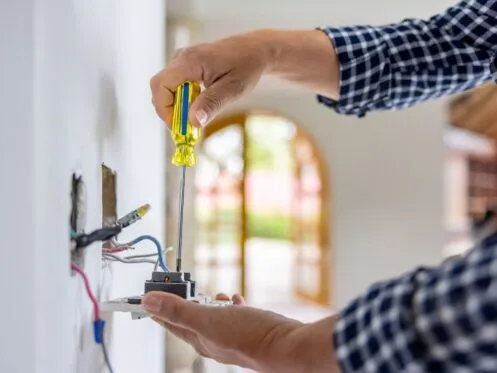
Professional outlet installation and repair can address these issues and determine whether the problem extends into the circuit wiring.
Avoid Overloading Circuits
High-wattage appliances should be connected to circuits designed for their electrical requirements.
Avoid using extension cords as permanent wiring solutions.
Portable space heaters and other high-demand equipment should be used according to manufacturer instructions.
If a room consistently requires more outlets or electrical capacity, installing additional circuits may be safer and more practical than relying on power strips.
Upgrade Outdated Electrical Panels
An electrical panel upgrade may be appropriate when existing equipment is damaged, obsolete, unsafe, or unable to support planned electrical additions.
However, adding more appliances does not automatically mean a larger panel is required.
An electrician should evaluate the home’s electrical load, existing service capacity, and planned improvements before recommending replacement.
Install Whole-Home Surge Protection
Whole-home surge protection can reduce the effects of transient voltage spikes on connected equipment.
For better protection, a properly installed surge protective device at the electrical panel can be combined with suitable point-of-use protection for sensitive electronics.
Surge protection should be considered one part of a broader electrical safety strategy.
Update Aging or Damaged Wiring
Wiring that has been damaged by overheating, rodents, moisture, or improper modifications may require repair or replacement.
Rewiring can also be appropriate when extensive renovations expose outdated electrical installations or when an older system cannot safely support the intended use.
Install Dedicated Circuits for High-Demand Equipment
Certain appliances and equipment require dedicated electrical circuits.
Examples may include electric ranges, clothes dryers, HVAC equipment, and EV chargers.
Dedicated circuits help ensure that electrical loads are supported by properly sized conductors and protective devices.
Maintain Outdoor Electrical Equipment
Outdoor outlets, lighting, and electrical connections face exposure to rain, snow, temperature changes, and moisture.
Weather-resistant equipment, appropriate enclosures, and required GFCI protection help reduce the risk of electrical faults.
Outdoor electrical components should be inspected when damage or water intrusion is suspected.
Why Electrical Failures Can Be More Noticeable During Minnesota Winters
The winter weather here in Minnesota can get bad and it can stay bad for a long duration of time. Winter creates additional demands on residential electrical systems throughout Forest Lake and the Twin Cities.
Portable electric heaters, holiday lighting, garage equipment, and other seasonal devices can increase electrical loads.
Cold weather can also expose weaknesses in aging electrical systems.
Increased Heating Loads
Portable space heaters can draw substantial current.
Using several heating devices on circuits that also supply other appliances may lead to repeated breaker trips.
This is especially important in older homes with limited branch-circuit capacity.
Snow and Moisture Exposure
Outdoor outlets, lighting systems, and electrical enclosures can be affected by snow accumulation, melting ice, and moisture intrusion.
Damaged covers or deteriorating seals may allow water to reach electrical components.
Seasonal Lighting
Holiday lighting installations can increase demand on outdoor circuits.
Damaged extension cords, overloaded connections, and unsuitable outdoor equipment can contribute to electrical faults.
Permanent outdoor lighting systems should be designed and installed with appropriate electrical protection and weather-resistant components.
Power Interruptions During Winter Storms
Heavy snow, ice, and strong winds can damage utility equipment and interrupt electrical service.
Restoring power after an outage can also coincide with electrical disturbances.
Proper surge protection, safe backup power arrangements, and maintained electrical equipment can help households prepare for these conditions.
Electrical Failure in Older Homes vs. Newer Homes
Both older and newer homes can experience electrical failures, although the underlying causes may differ.
Older properties may have aging wiring, limited circuit capacity, worn outlets, or electrical modifications completed over several decades.
Newer homes may have greater electrical demand because of modern appliances, smart-home systems, and EV charging equipment.
| Older homes | Newer homes |
| Aging conductors and insulation | Installation or equipment defects |
| Older electrical panels | Higher connected electrical loads |
| Limited available circuits | EV charging and advanced appliances |
| Outdated or modified wiring | Complex electronic controls |
| Worn receptacles and switches | Sensitive electronic equipment |
The age of a property does not determine electrical safety by itself.
Installation quality, equipment condition, maintenance, and electrical usage are more useful indicators of whether a system is operating reliably.
Can Electrical Failure Cause a House Fire?
Yes. Certain electrical failures can create enough heat to ignite nearby combustible materials.
Electrical fires may develop when conductors overheat, connections deteriorate, or electrical arcing occurs.
Common contributing conditions include overloaded wiring, damaged insulation, loose terminals, defective equipment, and improper electrical installations.
Protective devices such as circuit breakers, arc-fault circuit interrupters, and ground-fault circuit interrupters help reduce specific electrical hazards.
However, no single protective device prevents every type of electrical fire.
A conventional circuit breaker, for example, may not detect a high-resistance loose connection that produces dangerous heat without drawing excessive current.
This is why warning signs such as discoloration, burning odors, intermittent power, and unusual electrical noises should not be ignored.
Professional inspections and timely repairs remain important parts of electrical fire prevention.
How Much Does It Cost to Repair Electrical Failure?
The cost of electrical failure repair depends on the source of the problem, the accessibility of the affected equipment, and the extent of the required work.
A failed receptacle may require a relatively straightforward replacement.
A damaged circuit hidden behind finished walls may involve more extensive troubleshooting and wiring repairs.
Major electrical panel problems can require replacement equipment, permitting, and coordination with the utility.
Several factors influence electrical repair costs:
- Type and severity of the electrical failure
- Time required to locate the fault
- Accessibility of damaged wiring
- Replacement components and materials
- Electrical panel condition
- Required permits and inspections
- Whether additional electrical upgrades are necessary
- Emergency service requirements
The most economical repair is not necessarily the one that replaces the fewest components.
A repair should correct the underlying defect and restore safe operation.
For example, replacing an outlet may be inexpensive, but it will not solve a failing connection elsewhere in the circuit.
An accurate estimate should follow a proper diagnosis of the problem. Plugz does have some running specials to help you save money, be sure to check out the specials.
When Does Electrical Failure Require Rewiring?
Not every electrical problem requires rewiring.
Many failures can be resolved by replacing a defective outlet, repairing a connection, or correcting an isolated circuit issue.
Rewiring becomes more likely when existing conductors are extensively damaged, insulation has deteriorated, or the electrical installation contains widespread defects.
A home may also benefit from rewiring during major renovations, particularly when walls are already open and electrical needs are changing.
Signs that wiring may need extensive repairs or replacement include recurring failures across multiple circuits, widespread deteriorating insulation, repeated overheating, and documented unsafe wiring conditions.
A licensed electrician can determine whether targeted repairs or a broader rewiring project is appropriate.
Electrical Failure and EV Charging Stations
Electric vehicles introduce a substantial electrical load to residential systems.
Unlike many household appliances, an EV charger may operate for several hours at a time.
This continuous electrical demand makes proper circuit design and installation especially important.
EV charging problems can result from undersized wiring, improper breaker selection, loose connections, insufficient electrical capacity, or defects in the charging equipment.
If an EV charger repeatedly trips a breaker, stops charging unexpectedly, or produces excessive heat, the charging system should be evaluated.
A professional installation begins with an electrical load calculation and an assessment of the existing panel.
Plugz Electric provides EV charging installation services for homeowners in Forest Lake and the Twin Cities Metro area.
Proper planning helps ensure the charging equipment operates safely alongside other household electrical loads.
How Electrical Failure Affects Businesses
Electrical failures can have consequences beyond the immediate cost of repairs.
For businesses, unexpected power interruptions may affect payment processing, computers, refrigeration, lighting, security equipment, and daily operations.
A single failed circuit can interrupt essential equipment even when the rest of the building remains powered.
Commercial properties may also have more complex electrical systems and higher operating demands than typical residences.
Preventive electrical maintenance helps identify deteriorating equipment, overloaded circuits, and other conditions that could interrupt business operations.
Business owners should pay particular attention to recurring breaker trips, equipment-related voltage problems, and signs of overheating.
Professional electrical repairs can help restore reliable operation while identifying opportunities to reduce future interruptions.
Professional Electrical Failure Repair in Forest Lake and the Twin Cities
Electrical failures require more than a quick fix when the underlying cause is unknown.
An outlet that stops working, a breaker that repeatedly trips, or a lighting circuit that loses power may be a symptom of a larger problem.
Plugz Electric provides residential and commercial electrical services from its Forest Lake location, serving homeowners and businesses throughout the Twin Cities Metro area.
Its services include electrical troubleshooting and repairs, electrical panel replacement, wiring and rewiring, outlet and switch installation, whole-home surge protection, indoor and outdoor lighting, and EV charging installations.
This range of services allows electrical problems to be addressed according to their actual cause.
A faulty outlet may require a simple replacement. A damaged circuit may need wiring repairs. Repeated electrical failures involving multiple circuits could indicate a panel or service issue that requires further evaluation.
If you are experiencing electrical failure, contact Plugz Electric or call 612-295-1595 to schedule professional electrical service.
Don’t forget to check out our specials and financing options.
Frequently Asked Questions About Electrical Failure
What Is the Most Common Cause of Electrical Failure?
Common causes of electrical failure include overloaded circuits, loose connections, damaged wiring, defective electrical components, and short circuits.
The most likely cause depends on the symptoms and the portion of the electrical system affected.
Repeated breaker trips often involve excessive current or an electrical fault, while intermittent power loss may indicate a deteriorating connection.
What Are the First Signs of Electrical Failure?
Early warning signs include flickering lights, frequent breaker trips, outlets that stop working, buzzing sounds, unusual electrical odors, and intermittent power loss.
Some failures develop without noticeable warning signs, which makes proper installation and maintenance important.
Can Electrical Failure Happen Without Tripping a Breaker?
Yes. Certain electrical failures do not produce enough excess current to trip a conventional circuit breaker.
Loose connections, deteriorating terminals, and some voltage problems can occur while the breaker remains on.
A circuit breaker is an important protective device, but it does not detect every hazardous electrical condition.
Why Does My Electricity Keep Going Off and Coming Back On?
Intermittent power loss can result from loose connections, defective breakers, damaged wiring, utility service problems, or malfunctioning equipment.
If the issue affects multiple circuits or the entire house, an electrician may need to investigate the electrical panel, service connections, or utility supply.
Can a Bad Outlet Cause Electrical Failure?
Yes. A damaged or improperly connected outlet can interrupt power to connected devices.
Depending on the circuit’s wiring arrangement, a failed connection at one receptacle may also affect downstream outlets.
A loose outlet connection can create overheating or arcing even when the receptacle continues to function.
What Causes Electrical Failure in a House During a Storm?
Storm-related electrical failures may result from damaged utility lines, lightning-related surges, water intrusion, or electrical equipment exposed to severe weather.
A storm can also reveal existing weaknesses in an electrical system.
If electrical equipment becomes wet or damaged, it should be evaluated before being returned to service.
How Do I Know If My Electrical Panel Is Failing?
Possible signs include repeated breaker trips, unusual buzzing sounds, burning odors, visible corrosion, overheating, or power interruptions affecting multiple circuits.
These symptoms do not always mean the panel requires replacement, but they warrant professional inspection.
Can Old Wiring Cause Electrical Failure?
Yes. Older wiring can develop problems because of deteriorating insulation, damaged conductors, loose connections, or previous improper modifications.
However, wiring age alone does not establish that replacement is necessary.
An electrician can assess the wiring’s condition and determine whether repairs or rewiring are appropriate.
How Long Does It Take to Fix an Electrical Failure?
Repair time depends on the complexity of the problem.
Replacing an accessible defective component may take relatively little time, while locating intermittent wiring faults or repairing damaged circuits can require a more extensive investigation.
Electrical panel replacement and major rewiring projects generally require additional planning and installation time.
Is Electrical Failure Dangerous?
Electrical failure can be dangerous when it involves overheating, exposed conductors, arcing, damaged insulation, or unsafe electrical connections.
Potential consequences include electric shock, equipment damage, and electrical fires.
Problems involving burning smells, smoke, sparking, or unusually hot electrical components require immediate attention.
Can a Power Surge Cause Electrical Failure?
Yes. A sufficiently strong power surge can damage electronic circuits, appliance components, and certain electrical equipment.
Whole-home surge protection can reduce the effects of many transient surges, but it cannot prevent all electrical failures.
Should I Replace My Electrical Panel After Repeated Electrical Failures?
Not necessarily.
Repeated failures may be caused by branch-circuit wiring, connected appliances, faulty breakers, or problems within the panel itself.
A professional electrical inspection can determine whether the panel is defective, whether repairs are sufficient, or whether replacement would be beneficial.
How Often Should a Home’s Electrical System Be Inspected?
Inspection frequency depends on the home’s age, electrical condition, previous modifications, and usage.
An inspection is particularly advisable when buying an older property, planning significant electrical upgrades, or noticing recurring electrical problems.
A qualified electrician can recommend an appropriate maintenance schedule based on the property’s condition.
Who Should I Call for Electrical Failure Repair in Forest Lake, MN?
For electrical failures involving wiring, outlets, circuit breakers, panels, or lighting, contact a licensed electrician experienced in residential electrical troubleshooting.
Plugz Electric provides electrical repair services in Forest Lake and the surrounding Twin Cities Metro area.
Homeowners and business owners can call 612-295-1595 to discuss electrical problems and arrange service.